Menopause / Natural Treatment
Naturally restore hormone balance
Published on April 29, 2026

Find your hormone balance: Tips for natural treatment to gently restore hormonal balance.
Hormone Balance: Tips for Natural Treatment
Our body is a fascinating and complex system, where hormones act as tiny but powerful messengers. They control everything – from our metabolism and mood to our reproductive ability and sleep. However, due to stress, poor nutrition, or environmental influences, this system can quickly become unbalanced. Those looking for the topic Hormone Balance: Tips for Natural Treatment will find here a comprehensive guide to gently and sustainably restore inner balance.
Nutrition as the Foundation of Hormonal Health
Our daily food provides the building blocks from which hormones are produced. A targeted dietary change for hormone regulation is therefore often the most effective first step.
Often the question arises: Which vitamins support the hormonal system? Particularly important are B vitamins (for energy and hormone metabolism), Vitamin D (which is actually a hormone itself), as well as magnesium and omega-3 fatty acids. These nutrients help to reduce inflammation and balance hormone levels.

Keep an eye on blood sugar and gut flora
A strongly fluctuating blood sugar level leads to a high release of insulin, which in turn disrupts other hormones such as testosterone and estrogen. Stabilizing the blood sugar level through intermittent fasting or protein-rich meals in the morning is an excellent method to stop cravings and avoid insulin spikes.
Equally important is the connection between gut flora and hormones. A healthy gut ensures that excess hormones – especially used estrogens – are efficiently excreted through digestion. Fermented foods like kimchi, sauerkraut, or kefir actively support the microbiome.
Female Cycle and Nutrition
For women, a cycle-based nutrition guide (often known as "Seed Cycling") can work wonders. In the first half of the cycle, pumpkin and flax seeds support estrogen production, while in the second half, sunflower and sesame seeds promote progesterone formation.
Naturally balance female hormones
The balance between estrogen and progesterone is crucial for female well-being. In cases of estrogen deficiency, many women turn to natural phytoestrogens, such as fermented soy, flaxseed, or pomegranate. These can help gently alleviate symptoms.
An excess of estrogen (estrogen dominance) can often be regulated through diet. Cruciferous vegetables like broccoli, Brussels sprouts, or kale contain DIM, which supports the breakdown of excess estrogen.
Progesterone deficiency can also be naturally influenced, for example, through chaste tree or yarrow. During menopause, many women additionally rely on herbal alternatives like black cohosh or red clover to alleviate symptoms such as hot flashes or mood swings.

Understanding Hormone Levels: Why Measuring is Often the Missing Step
Many typical complaints during menopause – such as fatigue, hot flashes, sleep disturbances, or mood swings – are non-specific and difficult to classify without reference to one's own values. Those who want to work specifically on their hormone balance often benefit from measuring the most important hormones in a structured way and being able to compare changes over time. This does not replace a medical diagnosis, but it can be a helpful basis for informed decisions in everyday life and in discussions with a doctor.


Menopause Profile
Menopause Profile
The menopause profile shows how your central hormones change during menopause .
➤ Analyze the central menopause hormone
➤ Makes hormonal changes visible
➤ Helps to classify typical symptoms
➤ Comfortable blood sampling with Tasso+
➤ For hot flashes & sleep disturbances
➤ Results available digitally & comparable


The Healing Power of Nature: Plants for Hormonal Balance
Those who wish to regulate their hormone balance naturally will find strong allies in the natural pharmacy. A hormone balance naturally and without strong side effects is often very successfully possible through the use of traditional herbs.
Particular attention is paid to the effect of adaptogens on the hormone balance. Adaptogens are plants that help the body adapt to stress and have a balancing effect on the endocrine system.
- Ashwagandha: Lowers stress hormones and calms the nervous system.
- Maca Root: Known for its balancing effect on the female and male cycle and for increasing libido.
- Rhodiola Rosea: Helps with exhaustion and supports energy production.
The thyroid, our metabolic engine, also benefits from nature.Proven medicinal plants for thyroid health include Guggul (Indian myrrh) and Ashwagandha, which can gently support a mild underactive thyroid.
Stress Reduction: The Key to Inner Peace
Chronic stress is the absolute enemy of any hormonal balance. But how does stress affect fertility? Very directly: When the body is under constant stress, it releases more of the stress hormone cortisol. The brain signals the body to enter "survival mode," which significantly reduces the production of sex hormones, potentially leading to cycle disorders or an unfulfilled desire to have children.
Natural ways to reduce cortisol are therefore indispensable:
- Breathing exercises & Meditation: Just 10 minutes of deep breathing (e.g., the 4-7-8 method) measurably lowers cortisol levels.
- Exercise in nature: A walk in the forest lowers blood pressure and has an extremely calming effect on the nervous system.
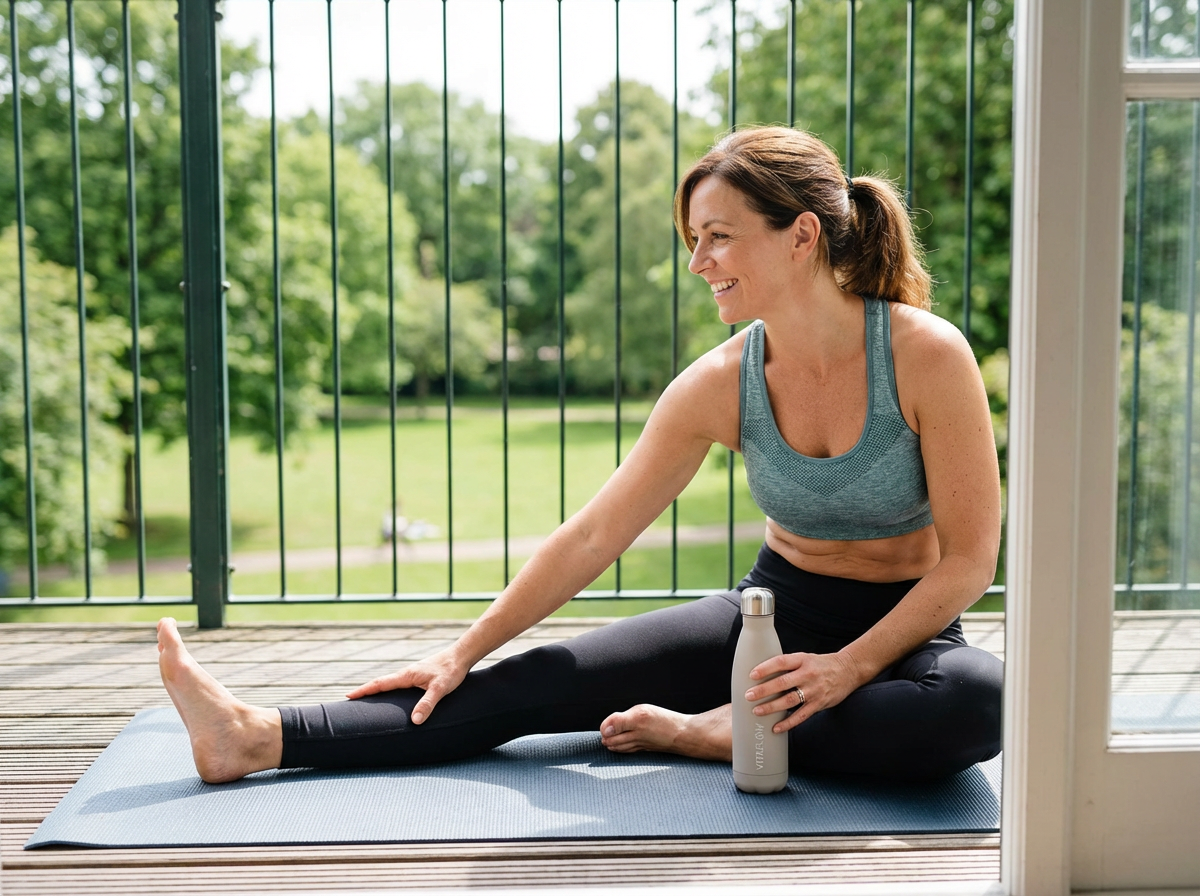
- Gentle sports: Yoga or Pilates are often better for hormonal balance than excessive HIIT training, which can additionally stress the body.
Equally essential for recovery is nighttime rest. Consider tips for better sleep and hormone regeneration: Sleep in a darkened, cool room and avoid blue light from screens at least one hour before bedtime. During the deep sleep phase, the body releases growth hormones and repairs cell damage – a crucial process for hormonal balance.
Reducing pollutants: The environment and our hormones
An often overlooked factor is environmental toxins. To stay healthy in the long term, we must avoid endocrine disruptors in everyday life. These chemicals, also known as hormone-active substances, resemble our body's own hormones and block or overstimulate receptor cells.
This is how you can protect yourself in everyday life:
- Reduce plastic: Avoid plastic bottles and lunch boxes that contain BPA (Bisphenol A). Switch to glass or stainless steel.
- Use natural cosmetics: Conventional shampoos, creams, and deodorants often contain parabens and phthalates, which can enter the bloodstream directly through the skin.
- Rethink cleaning products: Opt for natural cleaning agents with vinegar, citric acid, or baking soda.
- Prefer organic food: This reduces the intake of pesticides, which can also have hormonal effects.
Conclusion: The Journey to Hormonal Balance
Finding the body's own balance does not happen overnight. It is a process that requires mindfulness, patience, and continuity. Whether you adjust your diet, minimize stress, or rely on herbal helpers – every small step counts. Listen to the signals of your body. With the right nutrients, sufficient sleep, and a low-pollution environment, you give your system exactly what it needs to regulate itself and help you achieve more vitality, energy, and joy in life.