Skip to content

Allergies & Intolerances

Allergies & Intolerances

Focus: Food reactions, environmental allergens, non-specific complaints


Blue_Green_Red_and_Pink_Playful_Creative_Studio_Logo_9
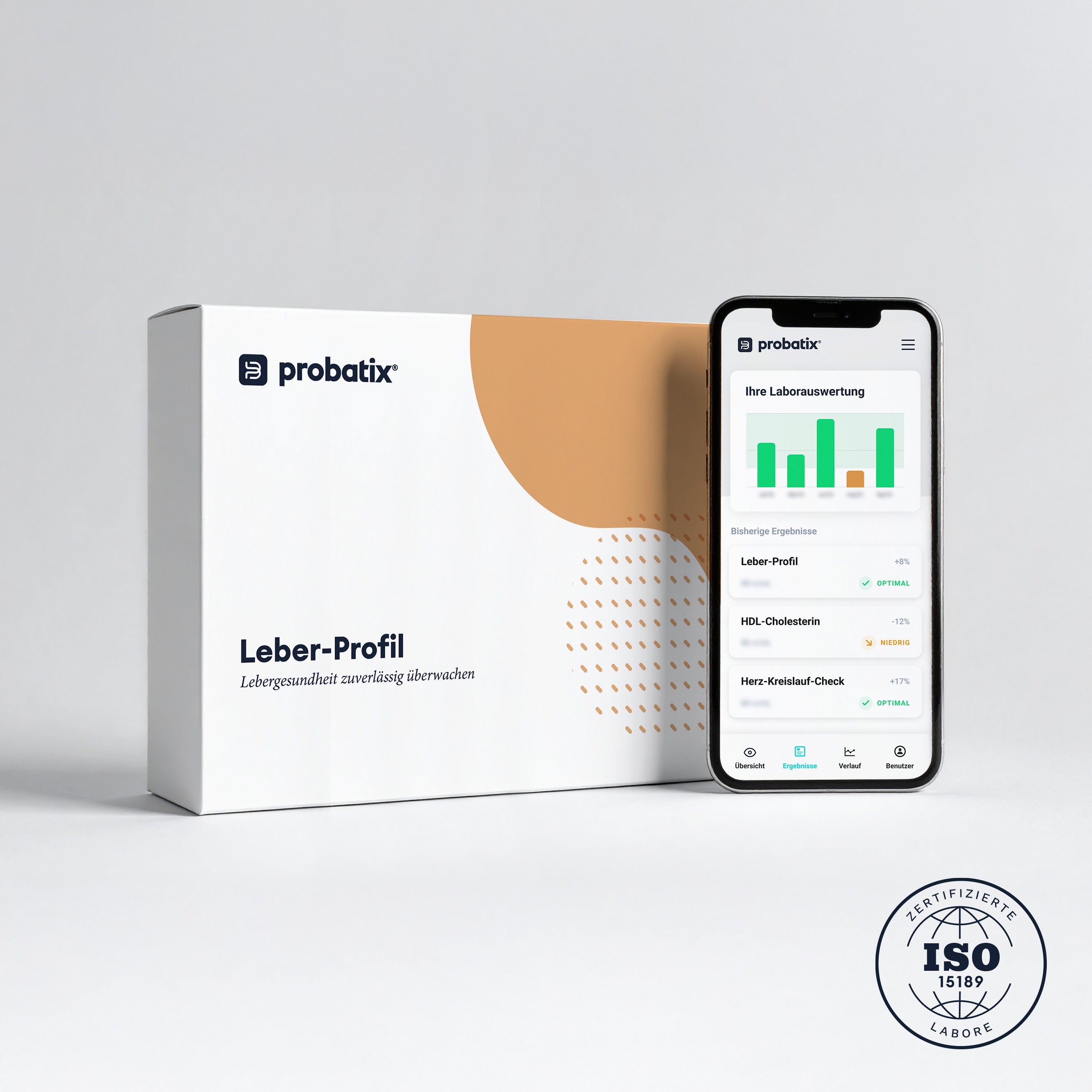
Leber-Profil - Probatix Health

Seller: Probatix®

Liver Profile

Regular Price 35,00 €
Sales price 35,00 € Regular Price
Combo Screening: Allergies & Intolerances
Premium

Seller: Probatix®

Combo Screening: Allergies & Intolerances

Regular Price 329,00 €
Sales price 329,00 € Regular Price 405,00 €
Intolerance Screening (286 Foods)
Premium

Seller: Probatix®

Intolerance Screening (286 Foods)

Regular Price 209,00 €
Sales price 209,00 € Regular Price 239,00 €
Allergy Screening (295 Allergens)
Premium

Seller: Probatix®

Allergy Screening (295 Allergens)

Regular Price 209,00 €
Sales price 209,00 € Regular Price 239,00 €
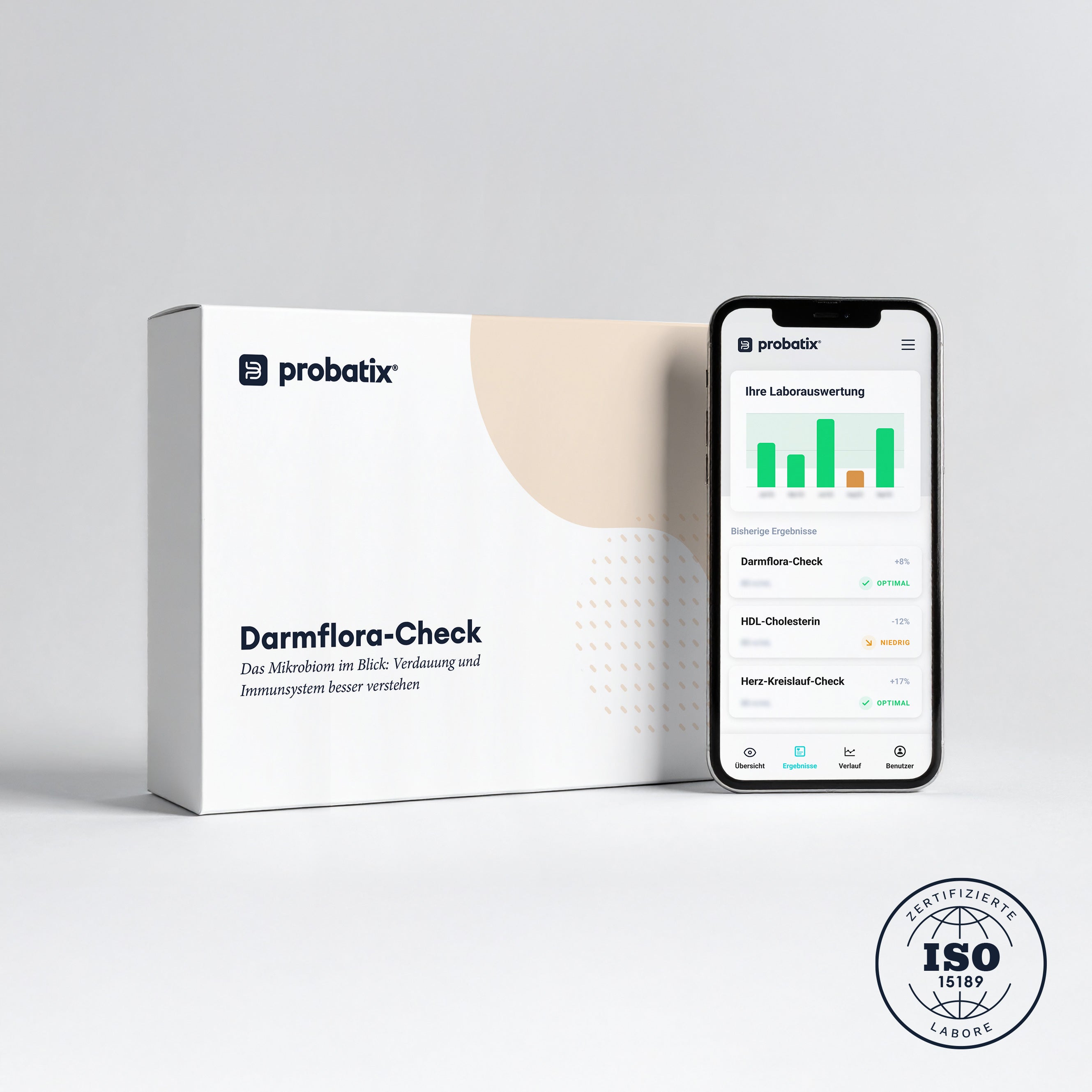
Darmflora-Check - Probatix Health

Seller: Probatix®

Gut Flora Check

Regular Price 175,00 €
Sales price 175,00 € Regular Price 225,00 €
x

Too many tests to choose from?

Our digital health advisor helps you find the right blood test for your symptoms or preventive care.

Blue_Green_Red_and_Pink_Playful_Creative_Studio_Logo_15

Which diseases can be detected in the blood?

Blood values can provide important indications of diseases. These include, for example, inflammations, infections, diabetes, lipid metabolism disorders, hormonal changes, or deficiencies such as iron or vitamin D deficiency.

Which blood tests can be done at home?

With Probatix, you can conveniently determine many relevant blood values at home. These include, among others, vitamin and mineral levels, cholesterol, metabolic markers such as HbA1c, as well as selected hormone levels.

The sample is taken via a finger prick, and the analysis is carried out by a certified specialist laboratory.

Can you test your own blood at home?

Yes, you can collect your blood sample at home yourself. With Probatix, this is done with a simple finger prick. You then send the collected sample to a certified specialist laboratory, where it is analyzed under strict quality standards.

Important: The evaluation does not take place at home, but in the laboratory. It is precisely there that the necessary equipment, controls, and medical standards are available to ensure precise and reliable results.

This way, you combine convenient home collection with the quality of professional laboratory diagnostics.

How do home blood test kits work?

A blood test kit from Probatix works simply: You choose your test, take the sample via finger prick, send it to the lab, and receive your results digitally.

The analysis is conducted in a certified specialist laboratory – clearly prepared and securely accessible.

Can allergies be detected in a blood test?

Yes, certain allergies can be detected through blood. In this process, the so-called specific IgE is usually measured – an antibody that plays a role in allergic reactions. A blood test from Probatix can provide indications of allergic sensitizations. However, it is important to note: A positive test result does not automatically mean that symptoms will occur. The medical assessment is crucial.

Which blood value indicates allergies?

The most important laboratory value for allergies is immunoglobulin E (IgE). A distinction is made between total IgE and specific IgE, which reacts to individual allergens such as pollen, animal hair, or certain foods. With a targeted allergy blood test from Probatix, the corresponding markers can be determined and viewed digitally.

Where can I get tested for food intolerance?

If you suspect a food intolerance, there are various options available. With Probatix, you can conveniently have certain relevant blood values tested at home. The analysis is carried out in a certified specialist laboratory, and you receive the results digitally. In case of persistent symptoms, it is also advisable to seek medical clarification, as not every intolerance can be detected through blood tests.

What are the 5 most common intolerances?

The most common food intolerances include: Lactose intolerance (milk sugar) Fructose intolerance (fruit sugar) Gluten intolerance / celiac disease Histamine intolerance Sorbitol intolerance Not all intolerances can be reliably detected through a blood test. However, specific indicators can be checked with targeted lab values from Probatix – as a basis for further steps.

What is the difference between an allergy and an intolerance?

An allergy is a reaction of the immune system to certain allergens. Therefore, many ask: What is an allergy?, what is an allergen? or how do allergies develop? In an allergic reaction, the body classifies otherwise harmless substances like pollen, food, animal hair, or house dust as a threat. This can lead to typical allergy symptoms, such as itching, rash, swelling, sneezing, breathing difficulties, or gastrointestinal problems. An intolerance, also known as food intolerance or food sensitivity, does not always involve the immune system. It often concerns the poor digestion of certain foods or the poor tolerance of certain ingredients. Many therefore search for what intolerances exist, what food intolerances exist, what sensitivities exist, or for an intolerance list.

What symptoms can occur with allergies and intolerances?

The symptoms can vary greatly. An allergy can manifest through the skin, respiratory tract, intestines, or circulatory system. Common signs include itching, rash, hives, swelling, runny nose, cough, stomach pain, nausea, or diarrhea. Those who suddenly experience symptoms often search for sudden allergy symptoms, signs of allergy, allergy signs, how allergies manifest, recognizing allergies, or what to do if allergic. In cases of intolerances, symptoms like bloating, stomach pain, nausea, diarrhea, constipation, fatigue, or skin problems are more common. Typical search terms include symptoms of intolerance, food intolerance symptoms, symptoms of food intolerance, food intolerance bloating, intestinal intolerances, or sudden intolerance. Since allergies and intolerances can overlap, a targeted test is often more helpful than mere guessing.

Which foods frequently trigger allergies?

Common triggers of a food allergy or food intolerance include milk, eggs, nuts, wheat, fish, seafood, sesame, or certain additives. An allergic reaction to food can occur immediately after eating, but sometimes it is delayed. Many search for food allergy symptoms, food intolerance symptoms, food allergy rash, food allergy skin rash, rash food allergy, food allergy face, or itchy skin rash after eating. For milk, it often concerns milk allergy, allergy to milk, allergy to dairy products, milk allergy symptoms in adults, milk protein intolerance symptoms, or rash from milk. For eggs, many search for egg allergy, allergy to eggs, egg allergy in adults, sudden egg allergy, egg allergy symptoms, or egg allergy skin rash.A nut allergy is also common: This includes search queries such as nut allergy symptoms, nut allergy signs, nut allergy peanuts, nut allergy almonds, almond allergy, or nuts allergic reaction.

How can allergies and food intolerances be tested?

Anyone who notices complaints after certain foods can have an allergy or intolerance specifically clarified. For a possible food allergy, many search for food allergy test, food allergy test doctor, food allergy test doctor, food allergy testing, testing for food allergies, food allergy testing which doctor, doctor for food allergy, or blood allergy test. In the case of a possible intolerance, it is more about terms like food intolerance test, food intolerance testing, testing for food intolerances, intolerance test, food intolerance test, food intolerance blood test, test for food intolerance, test for intolerances, test for food intolerance, or food intolerance test. Depending on the suspicion, blood test, IgE test, skin test, breath test, elimination diet, or provocation test may be considered.In case of unclear symptoms, doctors for food intolerances, an allergist for food intolerance, or a specialized doctor for intolerances can help.

What role does IgE play in allergies?

IgE, also immunoglobulin E, is an antibody that plays an important role in many immediate-type allergies. An IgE blood level can provide indications of whether an IgE-mediated allergy is present. Therefore, many search for Ig E, immunoglobulins E, immunoglobulin E level, immunoglobulin E allergy, immunoglobulin E antibodies, IgE allergies, IgE level chart, elevated IgE level, high IgE level symptoms, or IgE food test. However, it is important to note: An elevated IgE level does not automatically mean that this value explains all symptoms. The combination of symptoms, triggers, and test results is always crucial. Especially in the case of food allergies, a test should not be considered in isolation.

What is gluten intolerance, celiac disease, or wheat intolerance?

In case of complaints after bread, pasta, or pastries, many think of gluten intolerance, gluten allergy, gluten sensitivity, celiac disease/gluten sensitivity, or wheat intolerance. Typical complaints include stomach pain, bloating, diarrhea, fatigue, or skin problems. Frequently searched are symptoms of gluten sensitivity, symptoms of gluten intolerance, signs of gluten sensitivity, symptoms of gluten sensitivity in adults, gluten bloating, flour intolerance, how to determine gluten sensitivity, or proof of gluten sensitivity. Celiac disease is not a normal intolerance but an autoimmune disease.Therefore, search terms like celiac disease symptoms in adults, celiac disease symptoms women, signs of celiac disease, celiac disease doctor, celiac disease blood test general practitioner costs, celiac disease antibodies, transglutaminase celiac disease, antibodies celiac disease, gluten antibodies, IgA level celiac disease, gliadin, celiac disease antibody reference values, or elevated transglutaminase-IgA-AK are important for clarification. Wheat itself can also cause discomfort. Then many search for wheat intolerance symptoms adults, wheat intolerance symptoms, wheat intolerance, wheat allergy test, wheat allergy, wheat intolerance, white flour intolerance, bloating wheat, bread allergy, or ATI wheat.

What are fructose intolerance, histamine intolerance, and glutamate intolerance?

A fructose intolerance or fructose malabsorption can occur when fruit sugar is not well absorbed in the intestine. Common complaints include bloating, abdominal pain, diarrhea, or an uncomfortable feeling of fullness. Many search for fructose malabsorption symptoms, too much fruit sugar symptoms, fruit sugar allergy, fruit with fructose intolerance, fruit with low fructose, fruit intolerance, fruit acid allergy symptoms, sugar malabsorption, or fructose intolerance depression. With histamine, it often involves skin redness, headaches, palpitations, gastrointestinal problems, or breathing difficulties. Relevant search terms include histamine allergy, allergy to histamine, histamine allergies, too much histamine, how histamine intolerance manifests, histamine allergy symptoms, histamine intolerance allergy, histamine asthma, histamine allergic reaction, or allergic to histamine. Additives can also cause complaints.For glutamate, users search for glutamate effects, where is glutamate found, natural glutamate, glutamate in which foods, where are glutamates contained, what contains glutamate, glutamate intolerance intestine, glutamate intolerance diarrhea, flavor enhancer intolerance, glutamate intolerance test, or glutamate intolerances.

What are cross-allergies and why do some react to pollen and food?

In a cross-allergy, the body reacts to similar protein structures in different triggers. For example, someone with hay fever may also react to certain fruits, nuts, or vegetables. Therefore, many search for cross-allergy hay fever, cross-allergy foods, pollen cross-allergy, grass allergy cross-allergy, pollen allergy cross-allergy, cross-allergy pollen foods, cross-allergy list, birch pollen allergy cross-allergies, or pollen allergy cross-allergy. Typical examples include reactions to apple, hazelnut, almond, cashew, mandarin, or certain stone fruits. Therefore, search terms like apple cross-allergy, hazelnut cross-allergy, almond allergy cross-allergy, cashew allergy cross-allergy, or mandarin allergy are common. A suitable diet for pollen allergy, pollen allergy diet, or hay fever diet can help manage symptoms better in everyday life.
Einfach Testen ohne Arztbesuch
Präzise Analyse im Fachlabor
Digital Ergebnisse aufs Handy
Einfach Testen ohne Arztbesuch
Präzise Analyse im Fachlabor
Digital Ergebnisse aufs Handy
Fundiert Direkt mit der Ärztin besprechen