Skip to content

Sexuality & Fertility

Sexuality & Fertility

Focus: Desire to have children, libido, cycle, intimate health


Blue_Green_Red_and_Pink_Playful_Creative_Studio_Logo_9
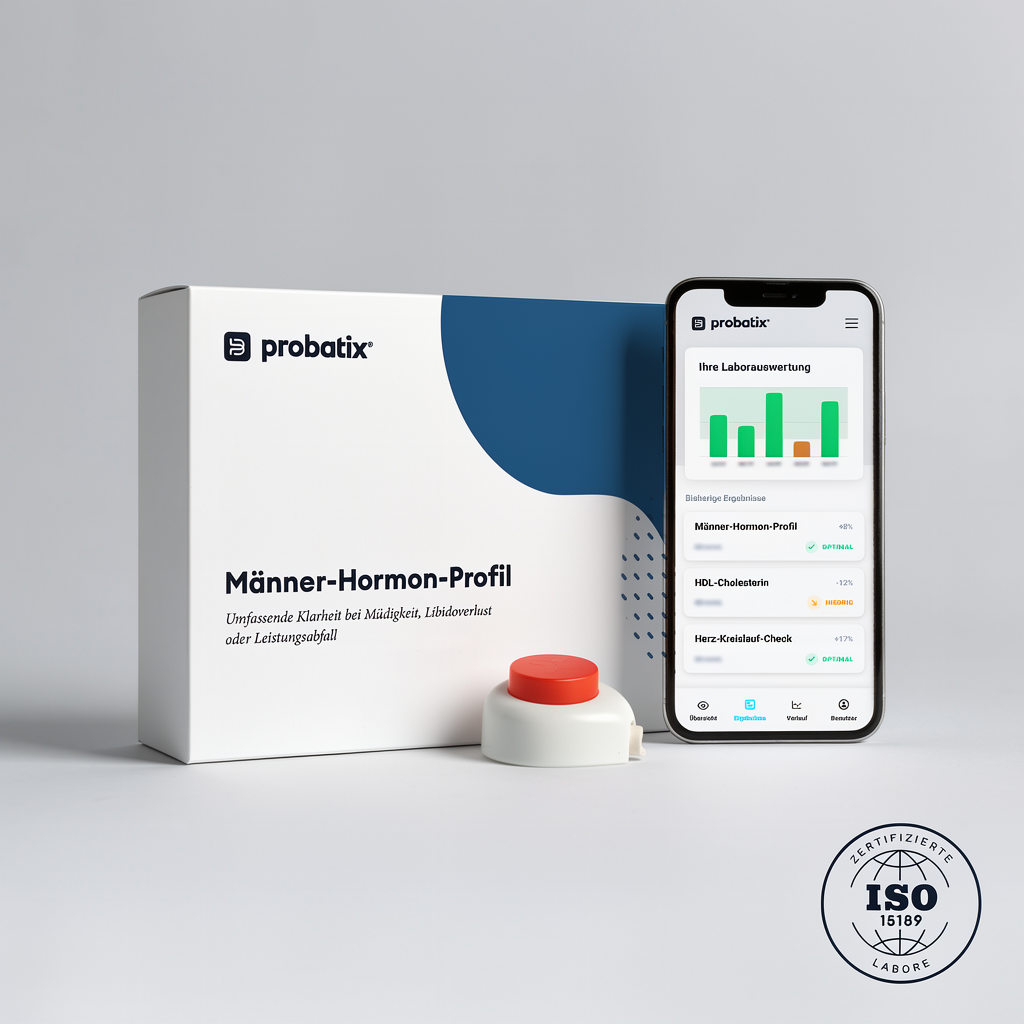
Men's Hormone Profile
Premium

Seller: Probatix®

Men's Hormone Profile

Regular Price 185,00 €
Sales price 185,00 € Regular Price
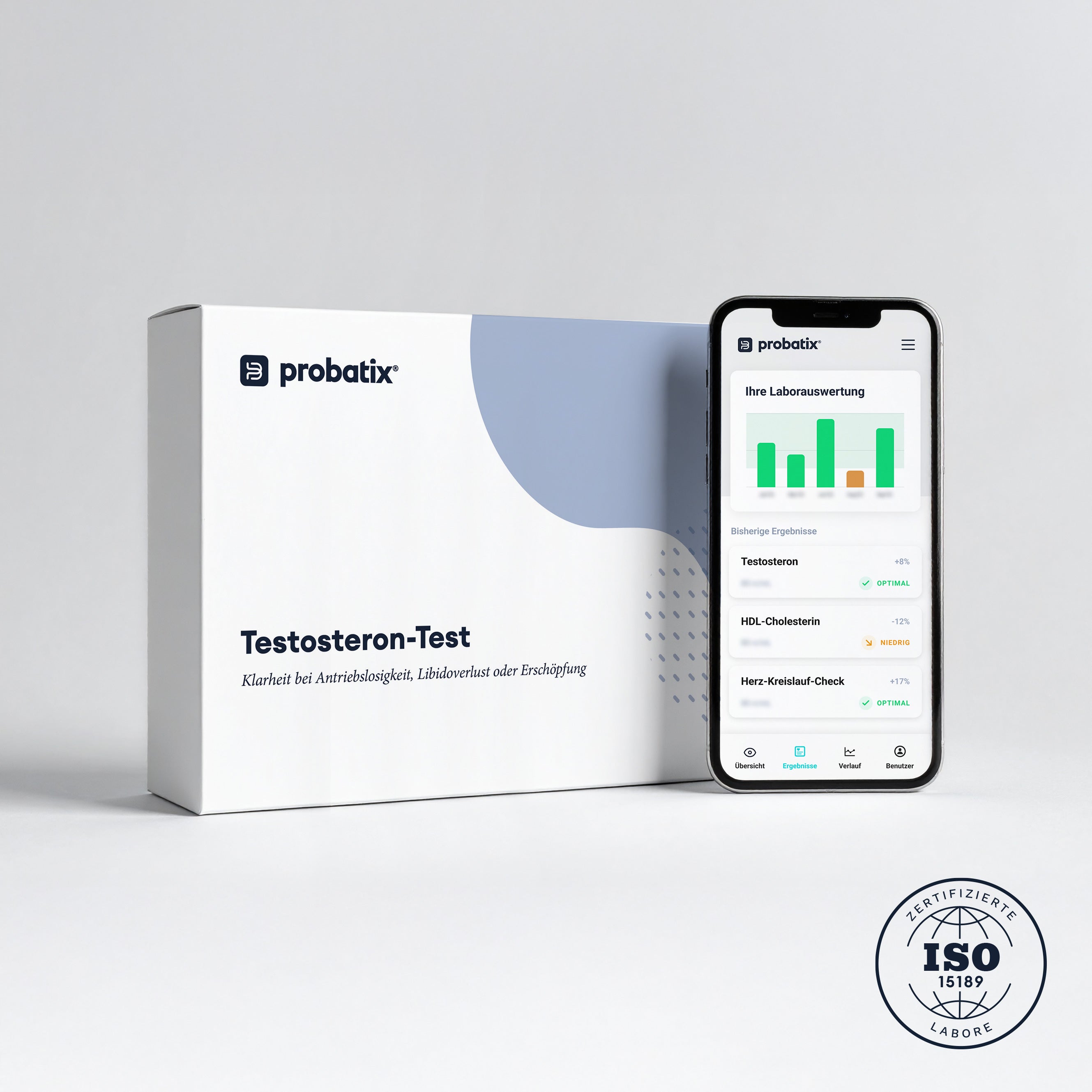
Testosteron-Test - Probatix Health

Seller: Probatix®

Testosterone Test

Regular Price 47,50 €
Sales price 47,50 € Regular Price
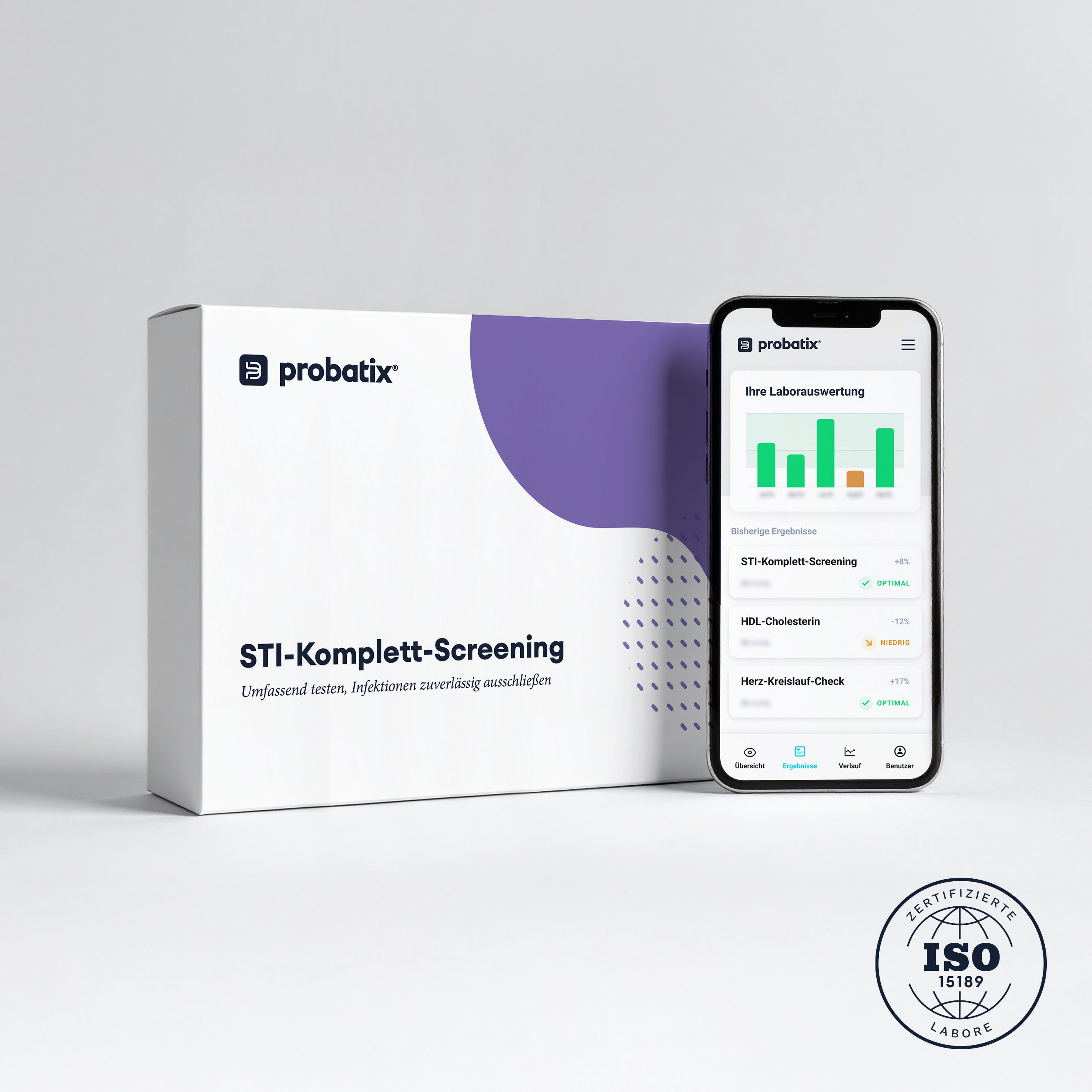
STI Check Basic – Men

Seller: Probatix Health

STI Check Basic – Men

Regular Price 39,99 €
Sales price 39,99 € Regular Price 54,99 €
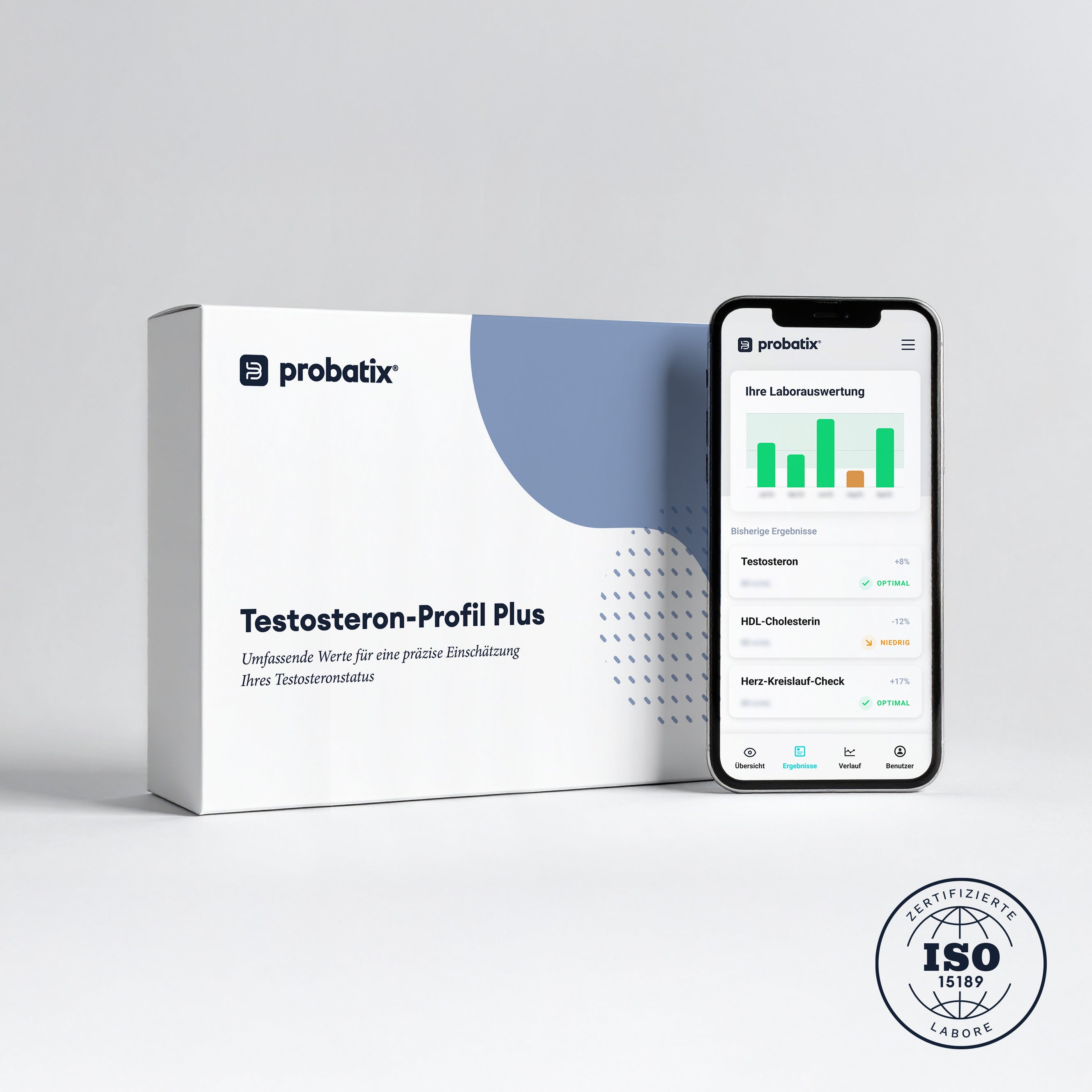
Testosteron-Profil Plus - Probatix Health

Seller: Probatix®

Testosterone Profile Plus

Regular Price 95,00 €
Sales price 95,00 € Regular Price
STI Check Basic – Women

Seller: Probatix Health

STI Check Basic – Women

Regular Price 39,99 €
Sales price 39,99 € Regular Price 54,99 €
Menopause Profile
Premium

Seller: Probatix®

Menopause Profile

Regular Price 165,00 €
Sales price 165,00 € Regular Price
Ovarielle-Reserve-Test (AMH) - Probatix Health

Seller: Probatix®

Ovarian Reserve Test (AMH)

Regular Price 65,00 €
Sales price 65,00 € Regular Price
Fertility Analysis
Premium

Seller: Probatix®

Fertility Analysis

Regular Price 170,00 €
Sales price 170,00 € Regular Price
HPV-Risikotyp-Test - Probatix Health

Seller: Probatix®

HPV Risk Type Test

Regular Price 65,00 €
Sales price 65,00 € Regular Price
x

Too many tests to choose from?

Our digital health advisor helps you find the right blood test for your symptoms or preventive care.

Blue_Green_Red_and_Pink_Playful_Creative_Studio_Logo_15

Which diseases can be detected in the blood?

Blood values can provide important indications of diseases. These include, for example, inflammations, infections, diabetes, lipid metabolism disorders, hormonal changes, or deficiencies such as iron or vitamin D deficiency.

Which blood tests can be done at home?

With Probatix, you can conveniently determine many relevant blood values at home. These include, among others, vitamin and mineral levels, cholesterol, metabolic markers such as HbA1c, as well as selected hormone levels.

The sample is taken via a finger prick, and the analysis is carried out by a certified specialist laboratory.

Can you test your own blood at home?

Yes, you can collect your blood sample at home yourself. With Probatix, this is done with a simple finger prick. You then send the collected sample to a certified specialist laboratory, where it is analyzed under strict quality standards.

Important: The evaluation does not take place at home, but in the laboratory. It is precisely there that the necessary equipment, controls, and medical standards are available to ensure precise and reliable results.

This way, you combine convenient home collection with the quality of professional laboratory diagnostics.

How do home blood test kits work?

A blood test kit from Probatix works simply: You choose your test, take the sample via finger prick, send it to the lab, and receive your results digitally.

The analysis is conducted in a certified specialist laboratory – clearly prepared and securely accessible.

Can sexually transmitted diseases be tested through blood?

Yes, some sexually transmitted infections (STIs) can be detected through blood. These include HIV, syphilis, and hepatitis B or C. Other infections such as chlamydia or gonorrhea are usually tested through urine or swab samples. With targeted laboratory analyses from Probatix, certain relevant STI markers can be discreetly checked – the analysis is carried out in a certified specialist laboratory.

When is an STI test advisable?

An STI test is advisable in cases of unprotected sexual intercourse, multiple partners, symptoms such as discharge or pain, or if a partner has tested positive. Even without symptoms, a test can contribute to peace of mind. With a discreet blood test from Probatix, you gain clarity—conveniently collected from home and analyzed in a specialized laboratory.

How long after sex should you get tested for diseases?

The right timing depends on the specific infection, as each disease has a so-called incubation or detection period. HIV: Antibody/antigen test usually reliable from about 2–6 weeks Syphilis: Antibodies often detectable after 2–3 weeks Hepatitis: several weeks depending on the type Testing too early can lead to false negative results. If you are unsure, a test from Probatix can provide initial guidance – in case of specific risk, medical advice should also be sought.

Can fertility be tested with blood?

Certain blood values can provide indications of fertility. For women, AMH (Anti-Müllerian Hormone), FSH, LH, and Estradiol are relevant. For men, testosterone and FSH play a role. However, a blood test does not replace a complete fertility diagnosis, as factors such as egg or sperm quality must also be considered. With specialized hormone profiles from Probatix, you receive a well-founded initial assessment – conveniently collected at home and analyzed in a certified specialist laboratory.

What influences sexuality and fertility?

Sexuality and fertility depend on many factors: hormones, cycle, ovulation, sperm quality, age, stress, sleep, nutrition, illnesses, medications, and contraception can play a role. For women, the female cycle, the cycle phases, ovulation in the cycle, and the fertile days are important. For men, it is more about sperm production, testosterone, testicular function, and general health. A blood test or hormone test can be useful if there is a desire to have children, the cycle is irregular, symptoms occur, or if one wants to better assess their own fertility. Especially for questions like why am I not getting pregnant, how long does it take to get pregnant, male fertility, male fertility test, or hormone test gynecologist, targeted diagnostics can help, rather than acting based on feelings.

How does the female cycle work?

The female cycle consists of several phases. It begins with menstruation, followed by the build-up phase, then ovulation, and afterwards the second half of the cycle. Terms like cycle phase woman, cycle phases woman, phases cycle, cycle woman phases, female cycle phases, cycle phases woman, women cycle phases, and female cycle describe exactly this process. Many women notice changes in energy, mood, skin, sleep, libido, or discharge during the cycle. Therefore, topics like cycle woman phases mood, cycle woman phases energy, cycle discharge, cervix ovulation, and cycle temperature also play a role. Those who understand their cycle better can better classify fertile days, ovulation, and possible cycle irregularities.

When is ovulation and how can you recognize it?

Ovulation is the time when an egg is released from the ovary. It usually occurs around the middle of the cycle but can vary depending on the cycle length. Many women recognize ovulation by changes in cervical mucus, slight pulling in the lower abdomen, higher libido, changes in the cervix, or a change in temperature. Those who wish to become pregnant often pay attention to terms like ovulation woman, ovulation in women, ovulation after the period, ovulation temperature, cycle temperature, cervix ovulation, and fertile days. The period before and around ovulation is particularly important because sperm can survive for several days, and the egg is only fertilizable for a limited time.

When should you have sex to get pregnant?

The best chances are in the days before ovulation and on the day of ovulation. Therefore, many ask when sex to get pregnant is advisable, how often sex to get pregnant is recommended, and whether certain times in the cycle are particularly fertile. The key is not a single perfect moment, but regular sex during the fertile window. Questions such as can you get pregnant after ovulation, getting pregnant after ovulation, how long do sperm survive, how long can sperm survive, how long do sperm live, and sperm production per day are also included. After ovulation, the chance decreases quickly because the egg is only fertilizable for a short time. Before ovulation, however, sperm can survive in the body for several days.

Can you get pregnant during your period?

Yes, it is possible, even though the probability is usually lower than around ovulation. The cycle length, timing of ovulation, and how long sperm survive are decisive. With short cycles or early ovulation, sex during the period can theoretically lead to pregnancy. Therefore, questions like can you get pregnant during your period, getting pregnant during period, pregnant during period, unprotected intercourse 1 day before period, pregnant without ejaculation, not getting pregnant without contraception, or withdrawal method experiences frequently arise. Even though the probability varies: Those who wish to avoid pregnancy should not rely solely on the cycle but use an appropriate contraceptive method.

When is a pregnancy test useful?

A pregnancy test is most reliable when the period is missed or the test is taken at the appropriate time after ovulation. Many wonder when to take a pregnancy test, when a pregnancy test is positive, how reliable a pregnancy test is, or when a test is meaningful after unprotected sex. A urine test measures hCG, a pregnancy hormone. The earlier the test is taken, the more uncertain the result may be. Those who want clarity very early can have a blood test done by a doctor. Especially in cases of fear of pregnancy, unclear cycle, desire to have children, or after a miscarriage, a medical consultation can help interpret the result correctly.

How long does it usually take to get pregnant?

How quickly a pregnancy occurs is very individual. Some couples become pregnant in the first cycle, while for others it takes several months. Age, ovulation, sperm quality, cycle regularity, illnesses, stress, smoking, weight, and hormonal factors can influence the chances. When wondering how long it takes to get pregnant, how long it takes to become pregnant, or getting pregnant: how quickly, it's important to note: Not every month without pregnancy directly indicates a problem. If the desire to have children remains unfulfilled for a longer time, it may be advisable to involve a gynecologist, reproductive specialist, or urologist. Topics like involuntary childlessness, unfulfilled desire for children is breaking me, and what does the gynecologist do if you don't get pregnant show how stressful this phase can be.

When should male fertility be tested?

Fertility is not just a women's issue. In men, sperm count, motility, shape, hormone levels, testicular function, inflammation, heat, smoking, alcohol, stress, or illnesses can also play a role. A male fertility test, fertility test for men, fertility test men, or a semen analysis can help to better assess male fertility. Important terms include testing male fertility, male fertility, desire for children in men, infertile men, man infertile yet pregnant, and sperm retrieval in men. Everyday topics such as tight underwear for men, heat, sports, infections, or testicular inflammation can also be relevant. In case of complaints like testicular pain, swelling, or symptoms of testicular cancer, one should not wait but seek medical clarification.
Einfach Testen ohne Arztbesuch
Präzise Analyse im Fachlabor
Digital Ergebnisse aufs Handy
Einfach Testen ohne Arztbesuch
Präzise Analyse im Fachlabor
Digital Ergebnisse aufs Handy
Fundiert Direkt mit der Ärztin besprechen