Our customer reviews
Unsure about the selection?

More products







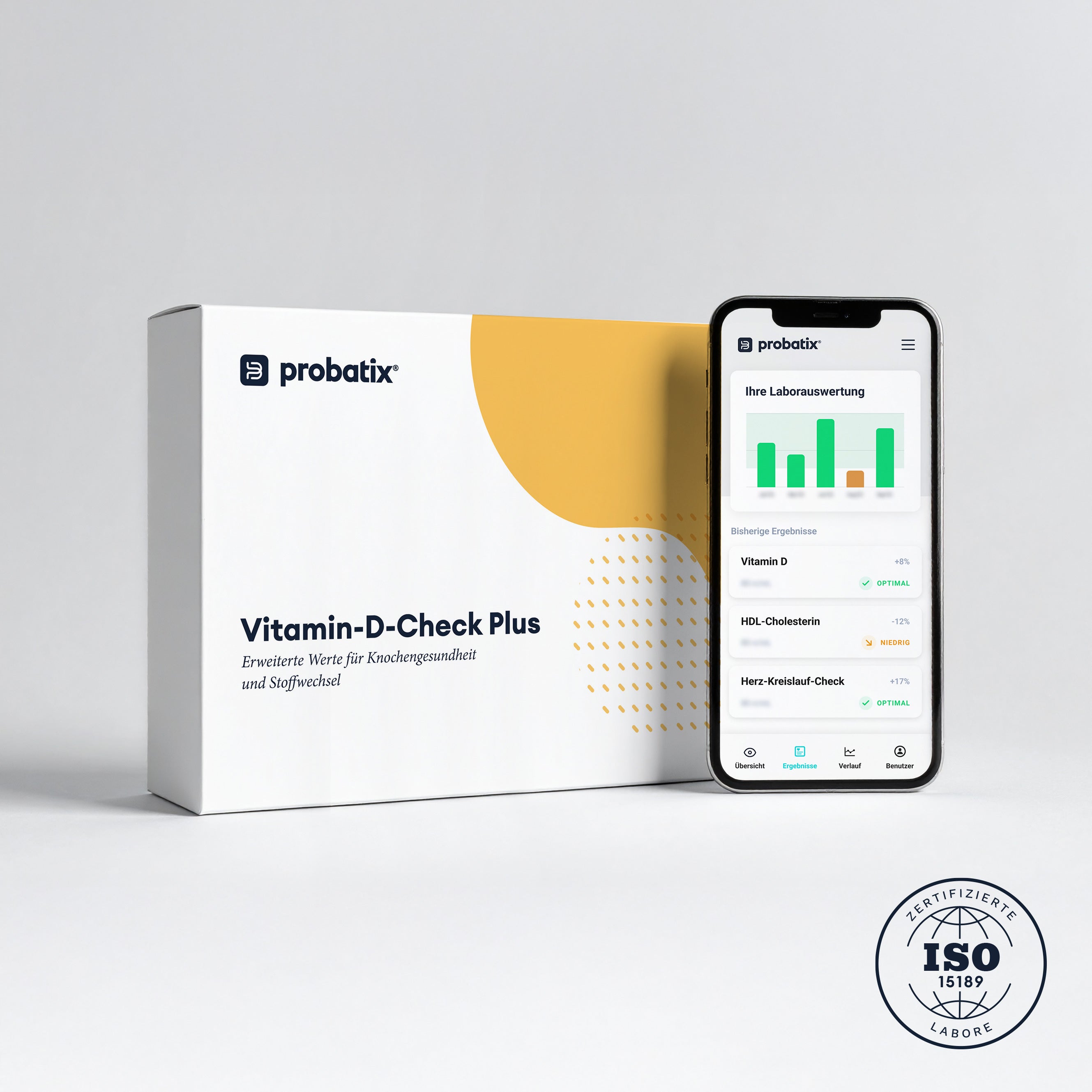











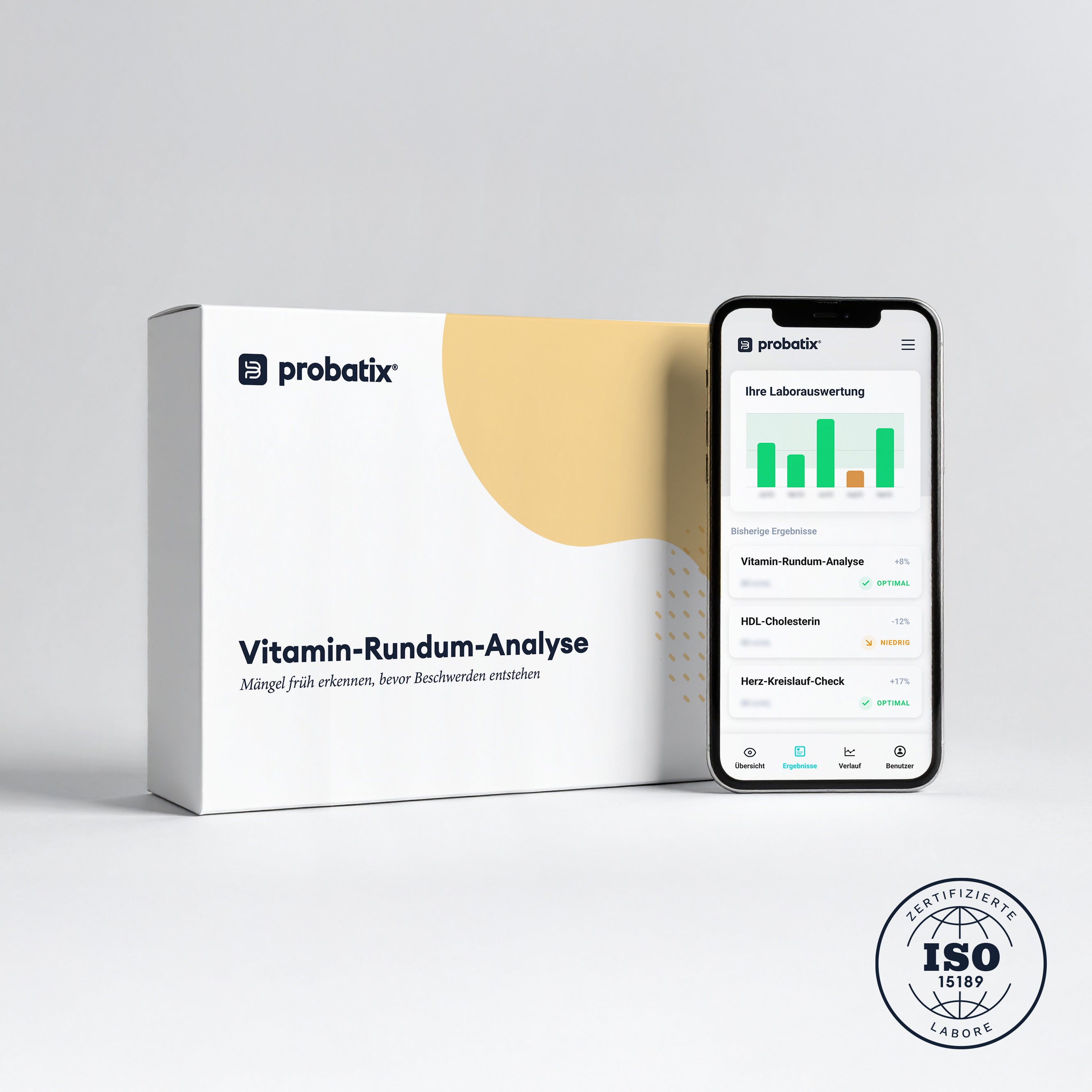

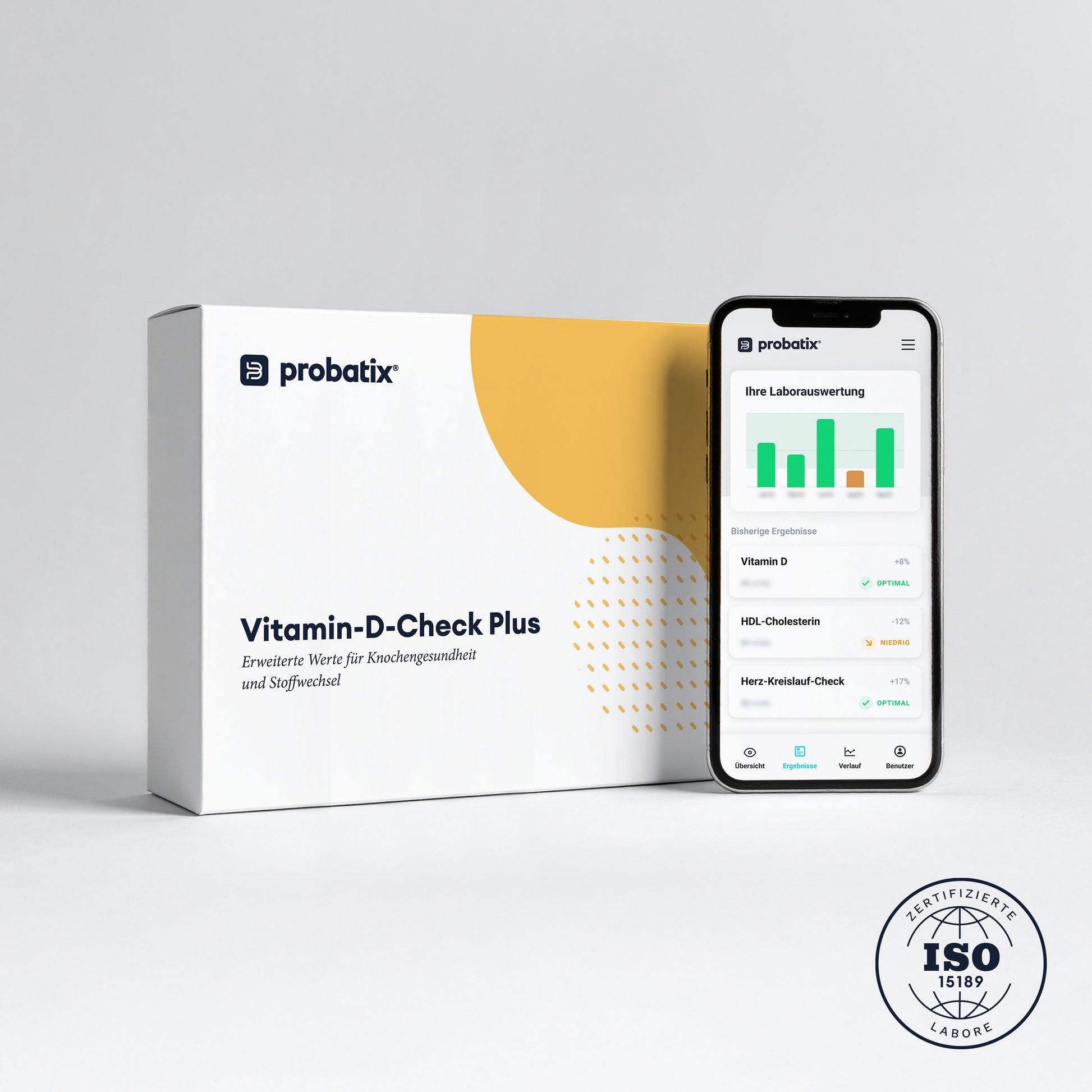
Vitamin D Check Plus: All details about the test
What benefits does this test offer me?
What benefits does this test offer me?
More than a simple vitamin D test.
The Vitamin D Check Plus measures your vitamin D level (25-OH vitamin D) and adds two values that help interpret it: alkaline phosphatase (ALP) and albumin. Vitamin D regulates calcium and bone metabolism. Alkaline phosphatase is an enzyme that rises when bone turnover increases – for example when a longer-standing vitamin D deficiency is already affecting the bones. Albumin is the main transport protein in the blood and gives an indication of your protein status.
Why this combination? A single vitamin D value shows your current supply. Together with alkaline phosphatase, it is easier to judge whether a deficiency is already showing up in bone metabolism – and whether a follow-up with your doctor makes sense.
Your benefits:
- Three values, one test: vitamin D, alkaline phosphatase and albumin from one sample.
- Clarity instead of guesswork: the symptoms of a vitamin D deficiency are unspecific – the measurement shows where you stand.
- Simple and reliable: a small blood sample taken at home, analysed in an accredited laboratory.
Good to know
Vitamin D is mainly produced in the skin through sunlight. In Germany, sunlight from roughly October to March is hardly sufficient for this. According to the Robert Koch Institute, around 60 % of adults do not reach the recommended vitamin D level of 50 nmol/l.
Because the level fluctuates over the year, a test towards the end of winter is particularly meaningful. If you take vitamin D, a follow-up test after a few weeks shows whether the dose is right.
What do the measured values mean?
What do the measured values mean?
25-OH vitamin D is the storage form of vitamin D that the body produces in the liver from vitamin D formed by sunlight or food. Vitamin D supports calcium absorption, ensures healthy bones and teeth, and plays an important role for muscles, nerves, and the immune system.
The 25-OH vitamin D test is the best method to check vitamin D status. Low levels can indicate too little sunlight, an unbalanced diet, or diseases and are associated with bone diseases such as osteoporosis or rickets. Excessive levels usually result from too high supplement doses and can strain the kidneys and liver.
Alk. Phosphatase (AP)
The biomarker alkaline phosphatase (AP) is an enzyme primarily produced in bones and the liver. An increase in AP levels in the blood can indicate bone or liver diseases. Therefore, measuring AP is an important part of diagnosing and monitoring bone and liver diseases.
Albumin
Albumin is the most common protein in blood plasma and is produced in the liver. It retains fluid in the vascular system and transports vitamins, enzymes, and hormones.
A deficiency may be caused by liver or kidney diseases, inflammation, or poor protein supply. High albumin levels occur with fluid loss or a very high-protein diet. Since albumin also reflects the nutritional situation, persistently low levels indicate insufficient protein intake and an increased risk of muscle weakness or infections.
Why is this test important?
Why is this test important?
The Vitamin D Check Plus helps you keep key aspects of your health in view.
- Bones and muscles: vitamin D is essential for strong bones, healthy teeth and normal muscle function. Alkaline phosphatase additionally shows whether bone turnover is in balance.
- Immune system: vitamin D contributes to the normal function of the immune system.
- Protein status: albumin gives an indication of your protein and nutritional status and helps interpret the other values.
When should I take this test?
When should I take this test?
A Vitamin D Check Plus is particularly useful if any of the following applies to you:
- You spend little time outdoors, work mostly indoors, or it is the winter months
- Persistent tiredness or exhaustion
- Muscle weakness, muscle or bone pain
- Frequent infections
- You take vitamin D and want to check whether the dose is right
- Older age or darker skin – both reduce vitamin D production in the skin
These symptoms are unspecific and can have many causes – only a measurement gives clarity. It is best to discuss abnormal results with your doctor.
Where can I find the instructions?
Where can I find the instructions?
Bei Fragen hilft Ihnen auch immer gerne unser wunderbarer Support weiter: support@probatix.de
FAQ - More Frequently Asked Questions about the Test
FAQ - More Frequently Asked Questions about the Test
1. What does the Vitamin D Check Plus measure?
Three values are measured: 25-OH vitamin D – the storage form and the most meaningful value for your supply –, alkaline phosphatase as an indicator of bone turnover, and albumin, the main transport protein in the blood.
2. Why is more than just vitamin D measured?
The vitamin D value shows your current supply. Alkaline phosphatase rises when bone turnover increases – for example with a longer-standing deficiency. Albumin gives an indication of your protein status. Together, the results are easier to interpret than a single value.
3. Who is the test useful for?
For anyone who gets little sun – for example with office work or during the winter months –, for older people and people with darker skin, for persistent tiredness, muscle weakness or frequent infections, and as a check if you take vitamin D.
4. When is the best time to take the test?
Vitamin D levels are usually lowest towards the end of winter – a test in spring therefore shows how well you got through the darker months. If you take vitamin D, a follow-up after about eight to twelve weeks makes sense.
5. How does the test work?
At home, you take a small blood sample from your fingertip with the test kit and send it in the enclosed envelope to our accredited partner laboratory. Illustrated instructions are included in the kit.
6. How quickly are the results available?
Usually a few days after the sample arrives at the laboratory. You will find your results clearly presented in your Probatix account.
7. What is a normal vitamin D level?
The Robert Koch Institute classifies levels below 30 nmol/l (12 ng/ml) as deficient, levels between 30 and 50 nmol/l as insufficient, and 50 nmol/l (20 ng/ml) or above as sufficient. Your report includes the laboratory's reference ranges.
8. What can I do if my level is too low?
It is best to discuss the result with your doctor. Vitamin D should not be taken in high doses without medical advice. A follow-up test after a few weeks shows whether supplementation is working.

Can I have a blood test without a general practitioner?
Yes, certain laboratory tests can now be conducted without a direct appointment with your general practitioner through validated home tests. You take a small blood sample at home and have it analyzed in a medical laboratory. This way, you can keep an eye on important health values.

How reliable are at-home blood tests?
The crucial factor is that the analysis is conducted in a quality-assured laboratory using standardized methods. Then, blood tests with capillary blood are generally just as reliable as a blood draw in the practice. With clear instructions and certified partner laboratories, Probatix ensures that you can rely on your results.

Why should I take a test with Probatix instead of at the doctor's?
At Probatix, you can start blood tests flexibly at home - without waiting rooms, with clear step-by-step instructions and analysis in certified specialist laboratories. The results are prepared digitally, comprehensibly, and trackably, so you can easily monitor developments over time. This way, you can complement traditional medical care with comfortable, data-supported monitoring of your health with Probatix.