Diabetes and Blood Tests
Auf einen Blick
- Worum es geht
- Diabetes bedeutet dauerhaft erhöhten Blutzucker. Früh erkannt, lässt sich der Verlauf oft deutlich beeinflussen.
- Wichtigste Werte
- Langzeitblutzucker HbA1c (Durchschnitt der letzten 2–3 Monate) und der Nüchternblutzucker.
- Mögliche Anzeichen
- Starker Durst, häufiges Wasserlassen, Müdigkeit, schlecht heilende Wunden – oft aber lange gar keine Symptome.
- Erhöhtes Risiko
- Übergewicht, Bewegungsmangel, familiäre Vorbelastung, Bluthochdruck und höheres Alter.
- Wann testen
- Zur Vorsorge ab dem mittleren Alter, bei Risikofaktoren oder unklaren Beschwerden.
Referenzwerte zur Orientierung
Die Diagnose Diabetes stellt immer eine ärztliche Fachperson anhand mehrerer Werte. Die Angaben ersetzen keine ärztliche Beurteilung.
Core Messages
💡 Blood tests show important values such as HbA1c and blood sugar.
💡 Early tests help identify diabetes risks.
💡 Regular monitoring supports targeted prevention.

Diabetes as a global widespread disease
Diabetes is one of the most common chronic diseases worldwide and requires regular monitoring of blood sugar levels.
But it's not just the daily blood sugar level that matters: To better understand the diabetes status and the risk of long-term complications, various blood values are important. In this article, we take a closer look at the HbA1c level, blood sugar and the metabolism and show how easy it is to check these values conveniently from home with the help of Probatix and our partner Yazen Health .
This article provides you with an initial overview of HbA1c and blood sugar. For further information, we recommend the article from the Federal Ministry of Health as well as the page of the German Diabetes Foundation.
The HbA1c Value: What Long-Term Blood Sugar Says About Your Blood Sugar Control
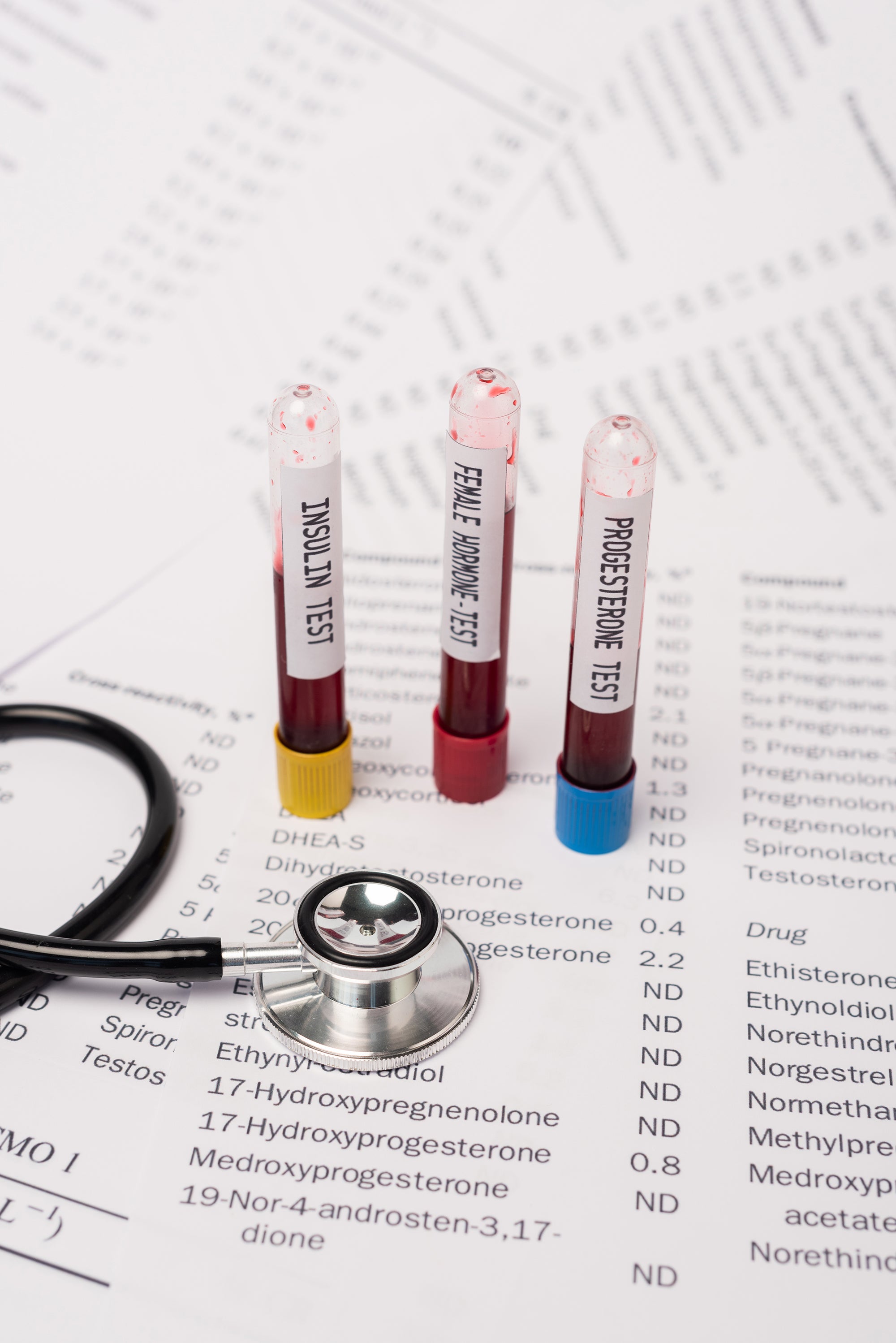
The HbA1c value, also known as long-term blood sugar, reflects your average blood sugar level over the past 2–3 months. Unlike daily fluctuations, it shows the general trend of your blood sugar control and is therefore an essential marker for monitoring diabetes.
An elevated HbA1c value indicates consistently high blood sugar levels. This increases the risk of diabetes complications such as nerve damage, kidney disease, and eye problems. The target value may vary depending on age and health condition. For many people with diabetes, the HbA1c value is ideally below 7%, but should be determined individually with a doctor.
Regular checks of the HbA1c value help you stay on track and optimally adjust your diabetes treatment. With the home test from Probatix , you can check your HbA1c level easily, safely, and conveniently from home – without any waiting times or doctor visits.

Blood Sugar: A Daily Indicator for Fluctuations
The blood sugar level indicates how much glucose is currently in your blood. While the HbA1c value reflects the long-term blood sugar trend, the blood sugar test is ideal for monitoring short-term fluctuations – for example, after meals or physical activity.
Healthy blood sugar levels are between 70 and 100 mg/dL when fasting and under 140 mg/dL after eating.. Simple blood sugar tests provide valuable insights into the effects of nutrition, exercise, and lifestyle on your body.
Regular measurements help to detect signs of insulin resistance or diabetes early and consciously adjust your health decisions.
Metabolism and Insulin: The Key to Understanding Diabetes
A healthy metabolism is crucial for regulating blood sugar. The hormone insulin, produced in the pancreas, allows glucose to enter the body's cells from the blood, where it is used for energy production .
In diabetes, this process is disrupted. People with type 1 diabetes have an insulin deficiency, while in type 2 diabetes the effect of insulin is reduced due to insulin resistance . In both cases, too much glucose remains in the blood because it cannot be efficiently transported into the cells.
Disrupted insulin production or action affects the entire metabolism. In the long term, this can lead to weight gain, fatigue and other health issues.
Probatix offers you the opportunity to easily test your blood sugar and other important metabolic values, to detect imbalances early and actively counteract them.
Suitable tests for diabetes and metabolism

Metabolism Profile
Your metabolic profile shows blood sugar, blood lipids and organ function in a precise laboratory analysis.
➤ Monitor blood sugar, cholesterol, and blood lipids
➤ HbA1c as a long-term value for blood sugar
➤ Indications of liver and kidney function
➤ Vitamin B12 and calcium as a nutrient check
➤ Supports assessment of metabolic risks
➤ Results digitally accessible and comparable

Long-term Blood Sugar Test (HbA1c)
The long-term blood sugar test shows how well your blood sugar is controlled over weeks.
➤ Specifically measures the long-term value HbA1c
➤ Shows the blood sugar of the past weeks
➤ Detects an increased diabetes risk early
➤ Suitable for monitoring metabolic progress
➤ Helps to better classify diet and lifestyle
➤ Results are digitally accessible and comparable

Burnout Risk Test
The burnout risk test shows how stress, inflammation and nutrients affect your resilience .
➤ Mix of stress and nutrient markers
➤ Shows stress load & body reserves
➤ Detects deficiencies affecting energy
➤ Comfortable blood sampling with Tasso+
➤ For exhaustion, sleep or stress lows
➤ Results digitally accessible & comparable
Yazen Health: Support for Holistic Health Goals
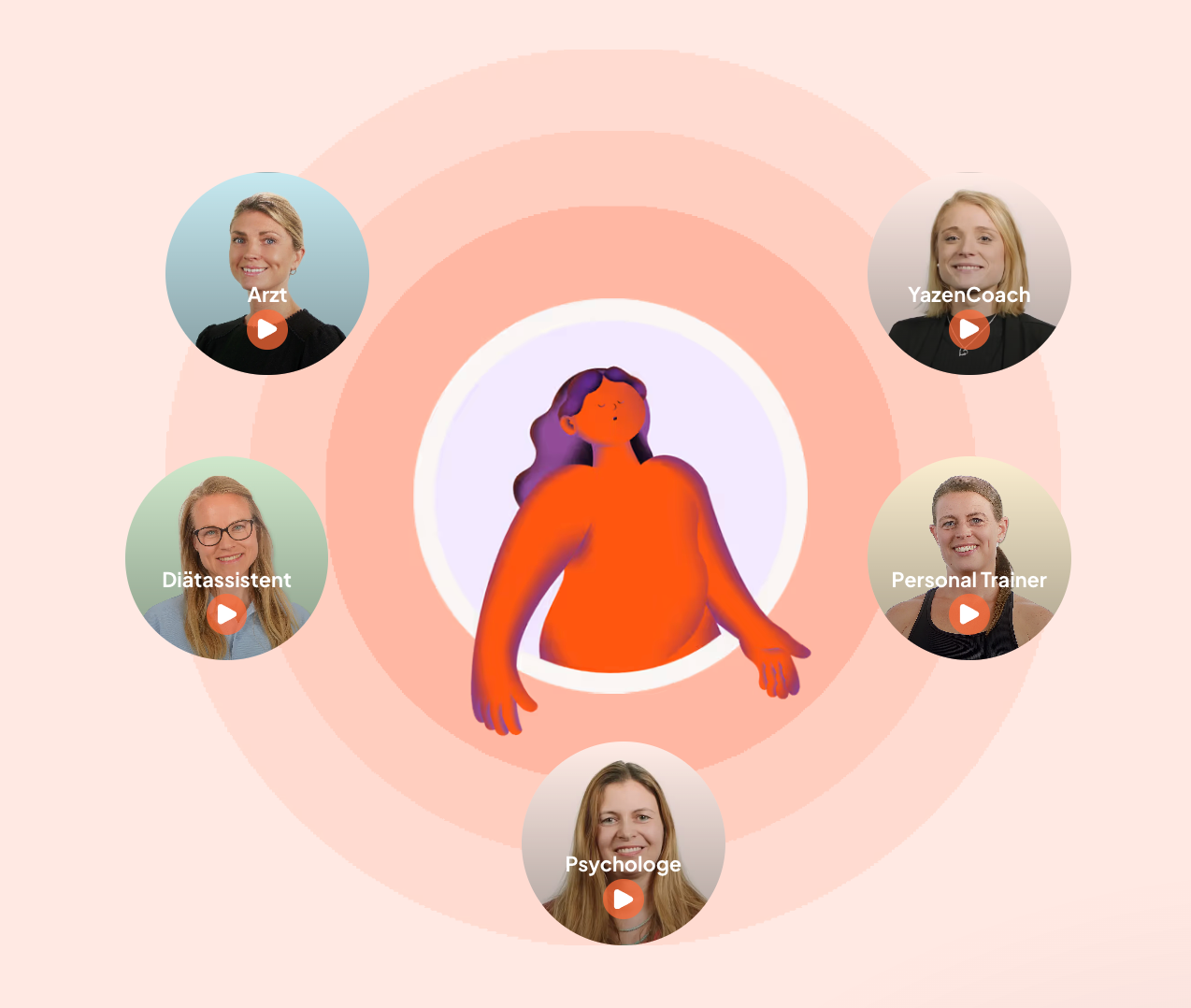
Our partner Yazen Health complements medical blood sugar control with holistic health programs. People with overweight, diabetes or insulin resistance receive individually tailored nutrition and exercise plans, at Yazen to support their metabolism and sustainably stabilize blood sugar levels.
Thanks to the integration of Probatix blood tests into the Yazen app , users can track their health progress directly in the app and receive personalized recommendations based on this. A smart approach to achieving health goals in a targeted and effective manner.
Next steps for your health
Diabetes requires continuous attention and targeted management. Regular tests of HbA1c levels, blood sugar and other metabolic values are crucial to keep track of health status and detect risks early.
Our partner Yazen Health supports this process with individual health programs that focus on a healthy lifestyle. Through tailored nutrition and exercise, they help to stabilize blood sugar levels in the long term and promote metabolism.
With Probatix, you can test important blood values easily and conveniently from home . This way, you always have control over your health and make an active contribution to managing your diabetes in the best possible way.
Häufige Fragen zu Diabetes
Was ist der HbA1c-Wert (Langzeitblutzucker)?
Der HbA1c-Wert gibt an, welcher Anteil des roten Blutfarbstoffs dauerhaft mit Zucker verbunden ist, und spiegelt den durchschnittlichen Blutzucker der letzten etwa 8 bis 12 Wochen wider. Er wird in Prozent oder in mmol/mol angegeben. Anders als eine einzelne Blutzuckermessung ist er unabhängig von Mahlzeiten und dient sowohl der Diagnose als auch der Verlaufskontrolle.
Welche Blutzucker- und HbA1c-Werte gelten als normal?
Bei stoffwechselgesunden Personen liegt der Nüchternblutzucker unter 100 mg/dl (5,6 mmol/l), und spätestens zwei Stunden nach dem Essen sollte der Wert wieder unter 140 mg/dl (7,8 mmol/l) liegen. Ein HbA1c unter 5,7 % (unter 39 mmol/mol) gilt als unauffällig. Für eine verlässliche Beurteilung ist eine ärztliche Untersuchung nötig.
Ab welchen Werten spricht man von Diabetes?
Für einen Diabetes sprechen ein HbA1c ab 6,5 % (48 mmol/mol), ein Nüchternblutzucker ab 126 mg/dl (7,0 mmol/l) oder ein Wert ab 200 mg/dl (11,1 mmol/l) zwei Stunden nach einem Zuckerbelastungstest (oGTT). Die Diagnose wird in der Regel erst bestätigt, wenn mindestens zwei Messwerte erhöht sind – außer bei eindeutigen Beschwerden. Auffällige Werte sollten stets ärztlich abgeklärt werden.
Was bedeutet Prädiabetes?
Prädiabetes ist eine Vorstufe mit erhöhten, aber noch nicht diabetestypischen Werten: HbA1c 5,7–6,4 % (39–47 mmol/mol), Nüchternblutzucker 100–125 mg/dl (5,6–6,9 mmol/l) oder ein oGTT-2-Stunden-Wert von 140–199 mg/dl (7,8–11,0 mmol/l). Durch einen gesünderen Lebensstil lässt sich das Fortschreiten häufig verzögern oder aufhalten – die Werte sollten ärztlich begleitet werden.
Welche Symptome können auf einen Typ-2-Diabetes hinweisen?
Mögliche Anzeichen sind starker Durst, vermehrter Harndrang, Müdigkeit und Antriebslosigkeit, teils auch Übelkeit oder Schwindel. Ein Typ-2-Diabetes entwickelt sich jedoch oft über Jahre unbemerkt und wird nicht selten erst zufällig entdeckt. Wer solche Beschwerden bemerkt, sollte dies ärztlich abklären lassen.
Wer hat ein erhöhtes Risiko für Typ-2-Diabetes?
Das Risiko steigt unter anderem bei Übergewicht, wenig Bewegung, Rauchen sowie einer fett- und zuckerreichen, ballaststoffarmen Ernährung. Auch eine familiäre Häufung und bestimmte Medikamente können eine Rolle spielen. Ein erhöhtes Risiko bedeutet nicht zwangsläufig eine Erkrankung; eine individuelle Einschätzung ist ärztlich möglich.
Wie wird auf Diabetes getestet?
Zur Abklärung dienen vor allem der Nüchternblutzucker, der HbA1c-Wert und der orale Glukosetoleranztest (oGTT). Für eine belastbare Diagnose sind meist wiederholte Messungen aus einer ärztlichen Blutabnahme nötig. Selbstmessungen oder Testkits können erste Hinweise geben, ersetzen aber nicht die ärztliche Diagnose.
Was sollte ich bei erhöhten Werten tun?
Erhöhte Einzelwerte sind kein Grund zur Panik, sollten aber ärztlich abgeklärt und gegebenenfalls durch eine zweite Messung bestätigt werden. Ärztin oder Arzt können einordnen, ob ein Prädiabetes oder Diabetes vorliegt. Ein bewegungsreicherer Alltag, eine ausgewogene Ernährung und der Verzicht auf Rauchen können sich günstig auf die Werte auswirken.
Geprüfte Quellen zum Thema
- IQWiG – gesundheitsinformation.de: Wie wird Diabetes mellitus festgestellt?
- Deutsches Diabetes-Informationsportal (diabinfo.de): Werte bei Prädiabetes
- Bundesministerium für Gesundheit – gesund.bund.de: Diabetes Typ 2
Hinweis: Dieser Beitrag dient der allgemeinen Information und ersetzt keine ärztliche Beratung, Diagnose oder Behandlung.