Hypothyroidism: How to test? Options, values & Self-tests at a glance
If you are wondering: "how to test for hypothyroidism?", the most important answer is clear: A reliable diagnosis is achieved through a blood test. Because fatigue, weight gain, or depressive moods can have many causes – only the thyroid values show whether there is really an underactive thyroid.
Quick answer: How can I get tested for hypothyroidism?
Hypothyroidism, medically known as hypothyroidism, can be most reliably diagnosed through a blood test by a doctor. The diagnosis of hypothyroidism is primarily made through a blood test, where thyroid hormones and regulatory values are measured.
Your main options are:
-
Blood test at a general practitioner, internist, or endocrinologist
-
Direct blood sampling in a laboratory or health center
-
Modern thyroid test with professional blood sampling and digital findings
-
Self-test or home test kit, usually as a TSH rapid test for initial orientation
For the initial assessment, the TSH value is particularly important, supplemented by ft4 and often ft3. Our digital Thyroid Profile checks TSH, ft4, ft3, and depending on the profile, antibodies; the blood sample is taken at a partner location, analyzed, and the results are available online. If there are abnormal values or severe symptoms, you should always consult a doctor for further diagnosis.
What does the thyroid do – and what does hypothyroidism mean?
The thyroid is located below the larynx in the neck. This small organ influences metabolism, psyche, temperature, growth, and the cardiovascular system. The thyroid hormones T3 and T4 are crucial for regulating metabolism, the cardiovascular system, and mental health.
Important hormones and control mechanisms:
-
T4, also known as thyroxine, is the main hormone of the thyroid.
-
T3, or triiodothyronine, is the biologically more active form.
-
The hormone TSH, also known as thyrotropin, is produced in the pituitary gland and stimulates the thyroid to produce T3 and T4.
-
The pituitary gland is also called the hypophysis.
The thyroid gland produces the hormones T3 (triiodothyronine) and T4 (thyroxine), which are necessary for growth, brain development, and numerous metabolic processes. In the case of hypothyroidism, the thyroid gland produces too few thyroid hormones; hormone production decreases, and bodily functions and processes slow down. Common causes include Hashimoto's thyroiditis as an autoimmune disease, iodine deficiency, surgeries, or radiation. A primary hypothyroidism is distinguished, where the problem lies in the thyroid gland itself, from a secondary form due to pituitary gland disorders. Women are particularly often affected by hypothyroidism, as hormonal changes during life, such as pregnancy or menopause, can exacerbate the symptoms; family history, regions with iodine deficiency, and other thyroid diseases also increase the risk.
Typical Symptoms: When Should I Have My Thyroid Tested?
The symptoms often develop gradually and are easily attributed to stress, age, or other problems. Hypothyroidism can manifest through symptoms such as fatigue, weight gain, sensitivity to cold, dry skin, and hair loss.
Typical physical signs include:
-
pronounced fatigue and lack of drive
-
sensitivity to cold, constipation, and slow pulse
-
unexplained weight gain despite similar diet
-
dry skin, brittle hair, and hair loss
-
pressure or lump sensation in the throat, possibly enlarged thyroid
The most common symptoms of hypothyroidism also include memory problems, concentration difficulties, and depressive moods.In gynecology, thyroid function is often considered in cases of cycle disorders, unfulfilled desire for children, or pregnancy. If multiple complaints persist for weeks or months, a test is advisable. However, symptoms alone do not replace a diagnosis: Anemia, depression, lack of sleep, or other hormonal disorders can also cause similar complaints.
Which blood values indicate hypothyroidism?
The diagnosis of hypothyroidism is primarily based on laboratory values. An important indicator of thyroid function is the TSH level, which can be elevated in the case of hypothyroidism. An elevated TSH level usually indicates primary hypothyroidism because the pituitary gland wants to stimulate the thyroid more. In the case of a pituitary disorder, TSH can be inappropriately low or normal.
Important blood values at a glance:
|
Value |
Purpose |
|---|---|
|
TSH |
Screening of thyroid function |
|
ft4 |
Free T4 (fT4) is the main hormone of the thyroid and is examined for its value. |
|
ft3 |
Free T3 (fT3) is the biologically most active form of the hormone, which is often additionally determined. |
|
TPO-AK, Tg-AK |
Thyroid antibodies (TPO-AK, Tg-AK) are determined to clarify the cause of an underactive thyroid. |
As a rough guide, a TSH range of about 0.4–4.0 mU/l is often applicable for adults; however, reference ranges vary depending on the laboratory, age, pregnancy, and measurement method. The interpretation of thyroid hormones, TSH, ft4, ft3, and antibodies should therefore always be done in the context of symptoms, pre-existing conditions, and medical history. Our thyroid profile presents relevant areas clearly in digital form and makes previous measurements comparable.
How does a hypothyroidism test work? Methods in comparison
The thyroid can be examined using various methods, including medical history, physical examination, blood tests, and ultrasound. The simple question "how to test for hypothyroidism?" therefore has several practical answers.
-
Medical blood sampling: Standard procedure with determination of TSH, often ft4, ft3, and antibodies if needed.The advantage: direct medical recommendations.
-
Laboratory without appointment: Depending on the region, blood sampling is also possible directly in the laboratory; costs, waiting times, and referrals vary.
-
Home self-test: Self-tests to determine thyroid values, such as TSH, can be performed at home but do not provide a definitive diagnosis. A TSH rapid test can give a rough orientation but usually does not measure free hormones and antibodies.
-
Thyroid profile: Blood sampling by medical professionals on-site, shipping to a certified specialist laboratory, digital evaluation of TSH, ft4, ft3, and possibly antibodies.
Important: After a test result, you should not independently start, stop, or change therapy. The use of a laboratory profile serves as orientation and preparation for a conversation with a doctor.
Our Thyroid Profile: Discreet Thyroid Test with Digital Results
Many people desire a structured evaluation without long detours. The Thyroid Profile is designed to better categorize nonspecific complaints in everyday life and provide indications of hypothyroidism, hyperthyroidism, or autoimmune thyroid diseases.
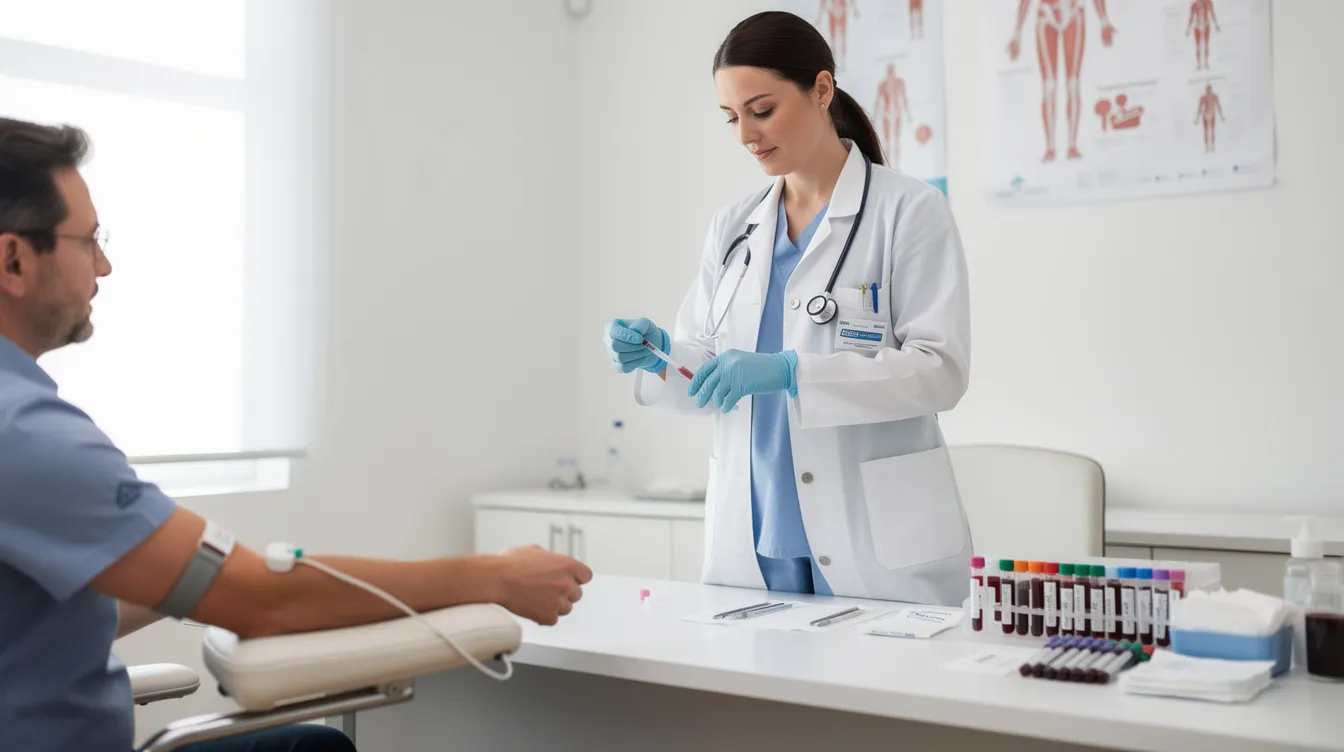
The process is simple:
-
You book online through the website.
-
You select a partner location.
-
The blood sample is taken professionally on-site.
-
The blood sample is sent to the medical laboratory.
-
After the delivery of the lab analysis, you receive digital information about your values.
The profile helps to better understand fatigue, weight gain, mood swings, hair loss, or unclear performance declines. You can store and compare the results in the long term, for example, if a follow-up is necessary under treatment. The test does not replace a medical diagnosis but provides a solid basis for discussion with a general practitioner or endocrinologist.
Further thyroid examinations: What comes after the blood test?
If the blood test is noticeable, further steps often follow. These include medical history, physical examination with palpation of the thyroid, as well as pulse and blood pressure control.
Other procedures are:
-
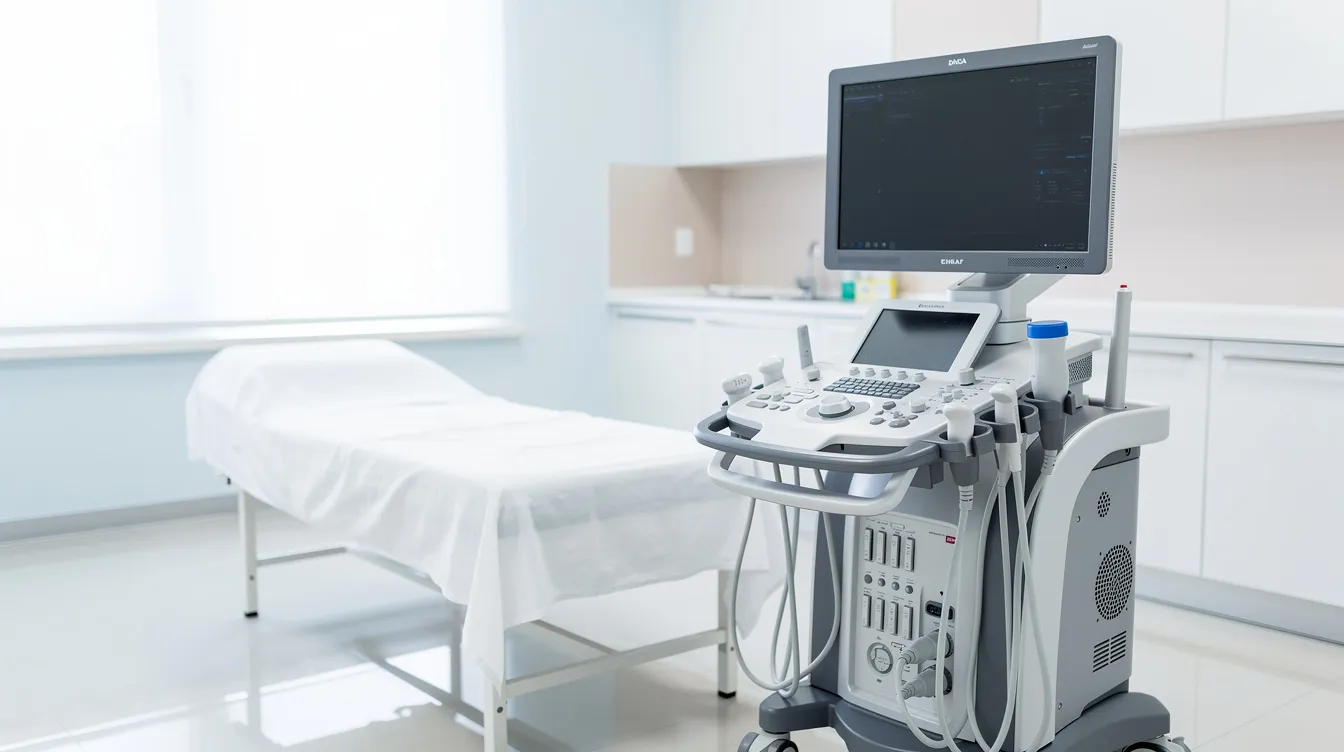
Ultrasound: Assessment of the size, structure, and nodules of the thyroid.
-
Scintigraphy: Scintigraphy is an imaging procedure to check the activity of the thyroid.
-
Fine needle aspiration: targeted tissue sampling from nodules when malignant changes are suspected.
These procedures are performed in medical practices or specialized centers. They are not part of a pure laboratory thyroid test but can be crucial when nodules, goiter, or unclear findings are present.
When should I urgently see a doctor – and what happens after the test?
A test is only one component. Seek medical help quickly if severe fatigue, significant weight gain, heart rhythm disturbances, pronounced depressive symptoms, or suspicion of thyroid issues during pregnancy occur. Also, significantly elevated TSH or markedly reduced ft4 and ft3 values should be clarified by a doctor promptly.
A thyroid underactivity can usually be treated with hormone replacement therapy, with L-thyroxine (levothyroxine) being used as the main medication. Treating a thyroid underactivity requires lifelong intake of thyroid hormones to normalize hormone levels in the body. The correct dosage of L-thyroxine must be regularly monitored by a doctor to ensure that thyroid function is optimally adjusted.
In general, symptoms improve significantly with well-adjusted hormone levels, and a normal life is possible. If you have persistent symptoms or want to check your levels over time, our digital thyroid profile can be a structured first step – with clear blood values, digital overview, and a good basis for the next doctor's consultation.