Menopause / joint pain
Causes of Joint Pain
Published on April 29, 2026

Learn how menopause causes joint pain and discover natural ways to relieve it.
Menopause: Joint Pain and Its Causes
Many women experience not only hot flashes or sleep problems during menopause but also pain in the knees, hips, back, or hands. Often, it seems as if there are suddenly menopause pains everywhere – often the hormonal changes are behind it.
Why can menopause trigger joint and muscle pain?
The most important connection: Estrogen deficiency. Estrogen has anti-inflammatory effects in the body, supports circulation, and influences fluid and collagen balance. When the level drops, tissues can become more sensitive – leading to more frequent estrogen deficiency joint pain and menopause muscle pain.
- More Friction & Stiffness: The tissue can become "drier" – typical stiff joints during menopause (often in the morning).
- Less Stability: Structural proteins like collagen are less effectively built, tendons/ligaments become more susceptible.
- Increased Inflammation Tendency: The body can react more quickly to stress with irritations.
What helps against joint pain?
To the question joint pain menopause what helps , there is rarely a single solution. The most effective approach is usually a combination of diet, exercise, stress reduction, and - if necessary - medical therapy.
Anti-inflammatory Diet & Fluid
- More Omega-3: e.g., fatty fish, linseed oil, walnuts.
- Less Sugar/Ultra-Processed: can reduce inflammatory processes.
- Spices: Turmeric and ginger are often used as supportive.
- Drinking: adequate fluid can support the tissue.
Gentle, Regular Exercise
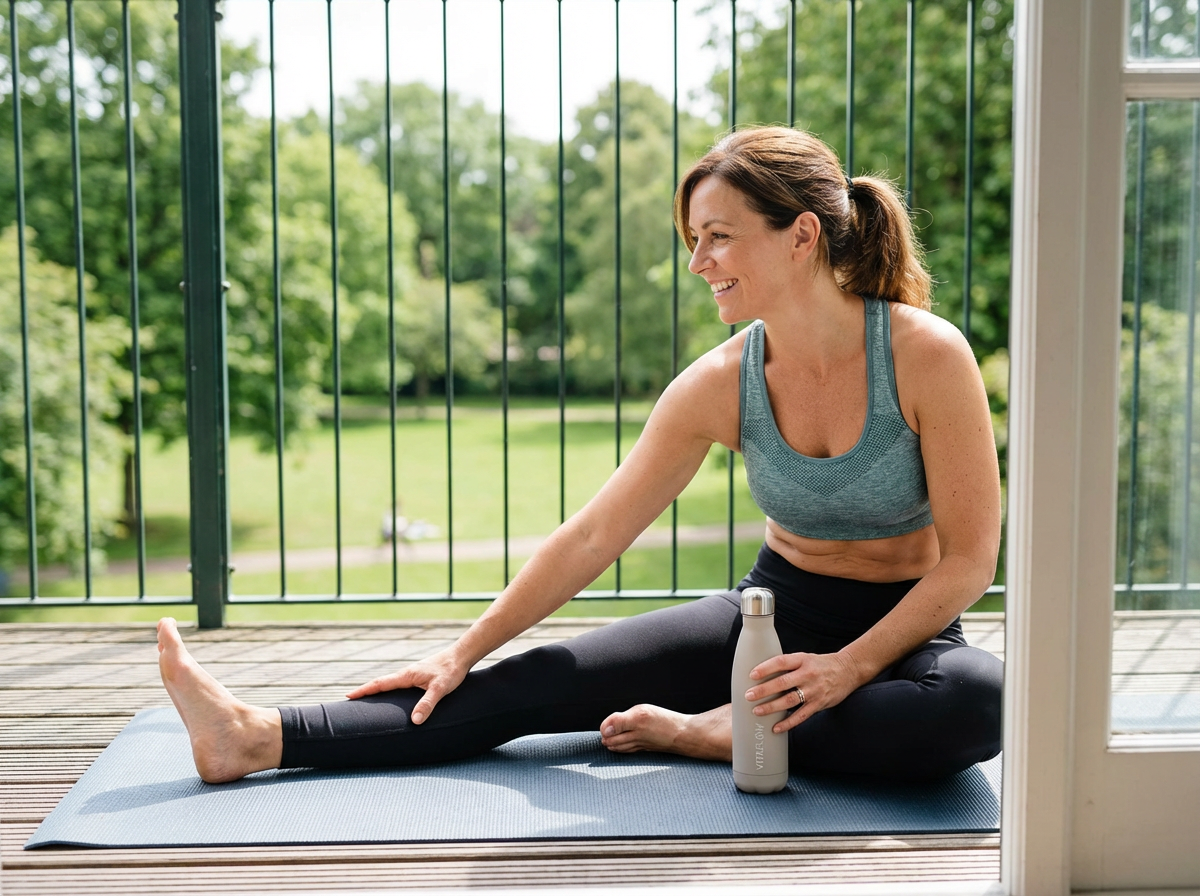
Rest often worsens the situation. Joint-friendly activities include swimming/aqua fitness, cycling, yoga, pilates, or Nordic walking. Goal: Maintain mobility and build supportive muscles.
Check Nutrients (e.g., Vitamin D, Magnesium)
A deficiency can exacerbate muscle and bone pain. A targeted check and – if necessary – supplementation after consultation with a doctor is advisable.
Medications/Hormones – decide individually
Joint Pain Menopause Medications (e.g.NSAIDs) should primarily be used in the short term. In cases of severe, clearly hormone-associated symptoms, hormone replacement therapy may also be considered – the decision should be part of medical consultation.


Menopause Profile
Menopause Profile
The menopause profile shows how your central hormones change during menopause .
➤ Analyze the central menopause hormone
➤ Makes hormonal changes visible
➤ Helps to classify typical symptoms
➤ Comfortable blood sampling with Tasso+
➤ For hot flashes & sleep disturbances
➤ Results available digitally & comparable