Cortisol is our most important stress hormone. In the short term, it enhances performance – but with chronic stress, the level remains elevated and affects sleep, metabolism, and the immune system. The good news: Cortisol can be naturally reduced with simple habits.
What Cortisol does in the body
Cortisol is produced in the adrenal gland and follows a daily rhythm: high in the morning, low in the evening. If the level remains high, sleep disturbances, cravings, high blood pressure, and inner restlessness may occur. We explain the background on the page Cortisol and Burn-out.
Signs of High Cortisol Levels
- Trouble Falling and Staying Asleep
- Inner Restlessness and Irritability
- Cravings, Especially for Sugar
- Abdominal Weight Gain
- Frequent Infections
Lower Cortisol Naturally
Effective and well-documented methods include:
- Sleep: 7–9 hours, regular schedule, dark room.
- Exercise: Moderate endurance instead of constant high performance; excessive training can even increase cortisol.
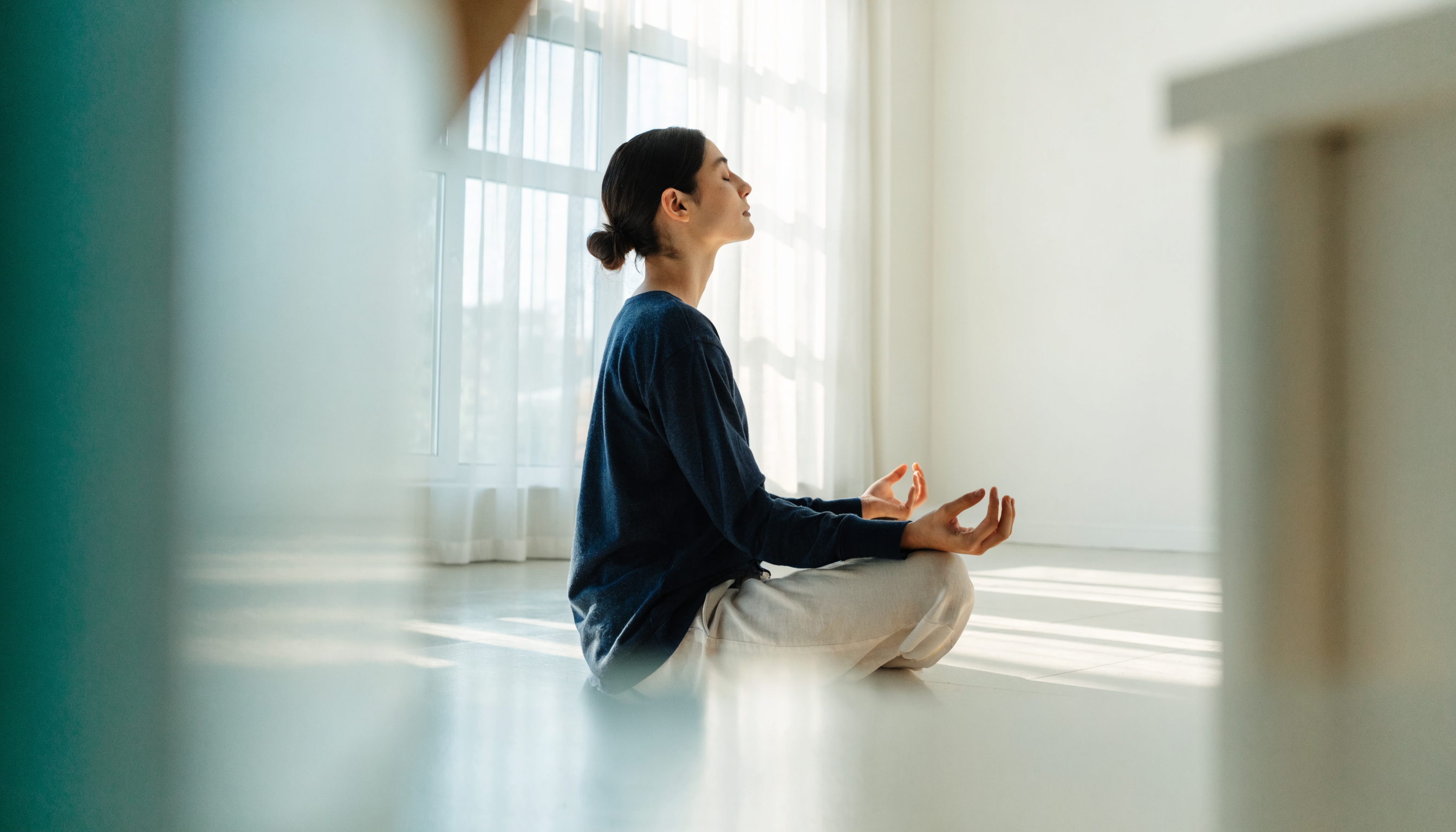
- Relaxation: Breathing exercises, meditation, or progressive muscle relaxation have been proven to reduce the stress response.
- Reduce Caffeine, especially in the afternoon.
- Social Contacts and Time in Nature.
More practical everyday tips are compiled by the Health Knowledge Foundation.
When a Cortisol Test is Useful
If symptoms persist despite countermeasures, a measurement provides clarity. With the Cortisol Test from Probatix , you can determine your level from home. In cases of exhaustion related to chronic stress, it is also worthwhile to look into the topic of burnout – tests for this can be found in the category Complaints and Symptoms.
Frequently Asked Questions
How can I quickly lower my cortisol levels?
In the short term, slow, deep breathing and a short exercise break help. For long-term results, sleep, moderate exercise, and relaxation routines are important.
What are the symptoms of too much cortisol?
Typical symptoms include sleep disturbances, inner restlessness, cravings, and abdominal weight gain.
How do I measure cortisol at home?
Through a self-test with sample collection at home and evaluation in a specialized laboratory.
This post is for general information and does not replace medical advice.