Health Blog
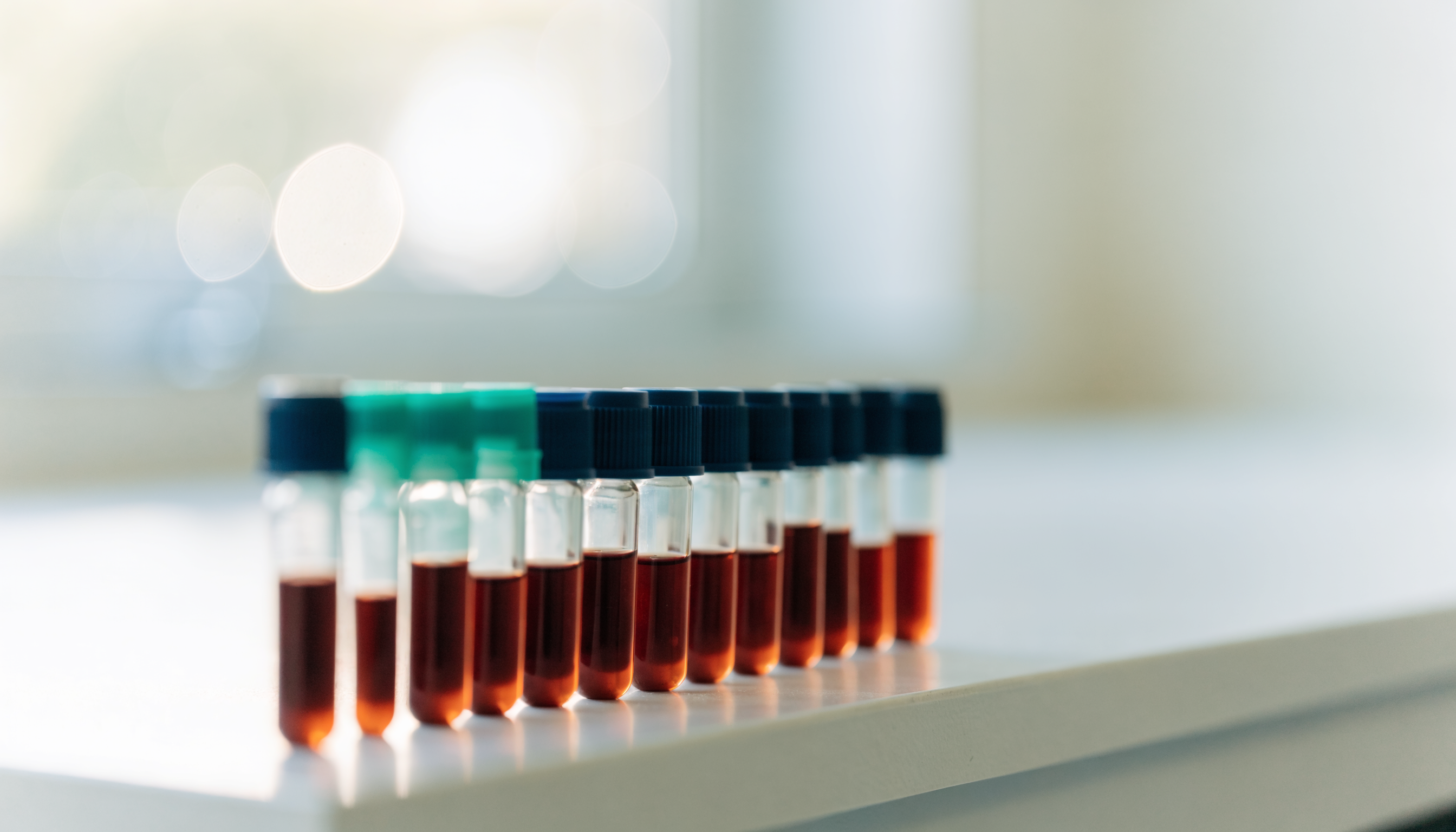

Naturally lower cortisol: What helps against chronic stress
Constant stress keeps cortisol levels high and makes you sick in the long run. These proven strategies help to naturally lower cortisol.
Learn more – Naturally lower cortisol: What helps against chronic stress
Iron Deficiency and Ferritin: Symptoms, Causes, and Diagnosis
Fatigue, paleness, hair loss: Iron deficiency is the most common nutrient deficiency worldwide – especially among women. Here's how to correctly interpret ferritin and more.
Learn more – Iron Deficiency and Ferritin: Symptoms, Causes, and Diagnosis
Vitamin D Deficiency: Recognize Symptoms and Understand Values Correctly
Fatigue, infections, muscle weakness: A vitamin D deficiency often goes unnoticed for a long time. This is how you recognize the symptoms, understand your values, and determine your status.
Learn more – Vitamin D Deficiency: Recognize Symptoms and Understand Values CorrectlyGonorrhea & Syphilis at record high in Europe – ECDC Report May 2026
Sexually transmitted diseases are on the rise in Europe – and the latest figures are alarming. The ECDC report from May 2026 warns of an increase in sexually transmitted infections in Europe, reaching historic proportions. Gonorrhea and syphilis have reached a new high, while cases of congenital syphilis have nearly doubled within a year. In this article, we contextualize the data, explain symptoms and risks in a way that is understandable for laypeople, and specifically show where and how you can get tested in Germany, Austria, and Switzerland. What the ECDC Report from May 2026 Shows (Quick Overview) The EU health authority ECDC, based in Solna, Sweden, published its annual surveillance report on bacterial sexually transmitted infections at the end of May 2026.The data pertains to the reporting year 2024 and paints a disturbing picture: Both the reported cases of gonorrhea and syphilis have reached the highest level in more than a decade. Specifically, a total of 106,331 cases of gonorrhea were registered in Europe in 2024 – an increase of 303 percent since 2015, when the number was around 26,000. Syphilis cases have more than doubled in the same period to 45,577. Chlamydia also remains the most common sexually transmitted infection with 213,443 cases, with the number of unreported cases estimated to be particularly high due to asymptomatic courses. The most important figures at a glance: Infectious disease Reported cases 2024 Change since 2015 Gonorrhea (Clap) 106,331 +303 % Syphilis 45,577 more than doubled Congenital syphilis 140 (2024) vs. 78 (2023) almost doubled Chlamydia 213,443 stable to slightly increasing The reporting countries are predominantly EU and EEA states.However, there are data gaps: Not all countries provide complete reports on transmission routes and risk groups, which likely underestimates the actual situation. The report is based on data from up to 29 countries with partially different reporting practices. Why are gonorrhea and syphilis increasing so significantly in Europe? The rising case numbers are not due to a single factor, but rather a combination of several developments. Experts attribute the increase in STIs to changed sexual behavior and less use of condoms. More sexual contacts through dating apps, a higher number of partners, and greater sexual freedom after the COVID-19 restrictions have measurably increased the risk of infection. At the same time, many sexually transmitted infections are mild or completely asymptomatic – especially gonorrhea in the throat or rectum and syphilis in the latent phase.People transmit the infection without knowing they are infected. This makes regular testing a crucial tool for prevention. Missed prevention opportunities and gaps in precaution significantly contribute to the rise of STIs. According to ECDC, 13 out of 29 surveyed countries charge co-payments for basic STI tests – a barrier that particularly prevents younger people and socially disadvantaged groups from getting tested. Many national strategies are outdated or not adapted to post-pandemic behavioral changes. Increased testing and better reporting systems have also contributed to higher recorded numbers of STIs – part of the increase is therefore also due to improved diagnostics. Nevertheless, the trend remains clearly upward even after statistical adjustments. When it comes to antibiotic resistance, another problem emerges: Around 58% of European Neisseria gonorrhoeae strains show resistance to tetracyclines, which limits certain treatment and prophylaxis strategies. Affected Groups and the Rise of Congenital Syphilis The diseases do not affect all population groups equally. Men who have sex with men (MSM) are most affected by gonorrhea and syphilis. For syphilis, about 69% of all cases with a known transmission route are attributed to this group, with the highest case numbers in the 25 to 34 age group. However, the infections are no longer confined to a single group. Syphilis is increasingly spreading in heterosexual networks. The increase in syphilis among women of childbearing age leads to more mother-to-child transmissions – with potentially devastating consequences for newborns. The main risk groups and trends at a glance: MSM (Men who have sex with men): Disproportionately affected by gonorrhea and syphilis, especially in urban areas. Heterosexual women and men: Since 2021, syphilis cases have been rising in all age groups, even outside the classic risk groups. Pregnant women: An undetected syphilis infection can be transmitted to the unborn child. Congenital syphilis deserves special attention: Cases of congenital syphilis increased from 78 to 140 between 2023 and 2024 in 14 countries with reporting data – nearly doubling. In congenital syphilis, the pathogen Treponema pallidum is transmitted from the mother to the child during pregnancy or at birth.The consequences can be miscarriages, stillbirths, neurological defects, as well as severe damage to the heart, liver, and nervous system. Three countries – Bulgaria, Portugal, and Hungary – reported over half of all congenital cases. Health Risks: What happens with untreated gonorrhea and syphilis? Delaying the diagnosis risks serious long-term damage. Both infections are well treatable – but only if they are detected in time. Gonorrhea: Consequences for women and men Gonorrhea can lead to chronic pain and infertility if left untreated. In women, there is a risk of an ascending infection into the pelvis (Pelvic Inflammatory Disease), which can cause fallopian tube damage and thus permanent infertility. Additionally, there are chronic lower abdominal pain and an increased risk of pregnancy complications.In men, untreated gonorrhea can lead to epididymitis, prostate issues, and in rare cases, to disseminated gonococcal infection with joint inflammation. Throat and rectal infections often have mild symptoms, therefore go unnoticed, and contribute to silent spreading. Syphilis: Long-term Damage Syphilis progresses in several stages, with the risk increasing with each untreated phase: Stage Time Period Typical Damage Primary Stage Weeks after infection Local ulcers, often unnoticed Secondary Stage Weeks to months Rash, fever, possible organ involvement Latency Phase Months to years No symptoms, but pathogen active Tertiary Stage Years to decades Cardiovascular damage, neurosyphilis Untreated syphilis can damage the cardiovascular system – leading to aortic aneurysms and endocarditis.In the tertiary stage, severe neurological damage such as meningitis, dementia, and blindness also threaten. These late effects are avoidable if the infection is detected early and treated with antibiotics. Not to forget: Co-infections with other sexually transmitted infections like chlamydia or HIV are not uncommon. They worsen the course of the disease and increase the risk of transmission. A comprehensive sexually transmitted diseases test, that covers multiple pathogens simultaneously is therefore more sensible than a single detection. Typical symptoms – and why many infections go unnoticed One of the main reasons for the rapid spread: Many sexually transmitted infections progress over weeks or months without noticeable symptoms. Patients feel healthy but pass the pathogen on with every unprotected contact.The following overviews help you categorize possible signs – but do not replace medical diagnostics. Gonorrhea: Common Symptoms in Women and Men Gonorrhea – colloquially known as the clap – presents different symptoms depending on gender and body region: In women: Increased or purulent vaginal discharge Burning or pain during urination Spotting or unusual bleeding outside of the menstrual period Lower abdominal pain or pain during intercourse Often asymptomatic – especially with throat or anal infections In men: Yellow-green, purulent discharge from the urethra Burning or pain during urination Swelling or pain in the testicular area In throat infections: Sore throat, sometimes no symptoms Rectum: Itching, pain, discharge – often with few symptoms A negative "self-check" based on this list is not sufficient.The frequent asymptomatic courses make a gonorrhea test sensible even without symptoms. Syphilis: Signs in the Different Stages Primary Stage: One or more painless sores (ulcers) on the genitals, in the anal area, or in the mouth The sores heal on their own without treatment – but the infection remains Secondary Stage: Rash on the body, often also on the palms and soles of the feet Flu-like symptoms: fever, headache, and body aches Swollen lymph nodes Patchy hair loss Mucous membrane changes in the mouth and genital area Latent Syphilis: Symptom-free phase that can last months to years The pathogen remains active in the body and can later cause long-term damage Crucial: Symptoms may disappear on their own, even though the infection persists.A test – via blood sampling for syphilis antibodies – is the only reliable method for clarification. Missing or mild symptoms are not an exclusion for an infection. Testing for Gonorrhea and Syphilis: Options in Germany, Austria, and Switzerland Early testing is the most important lever to curb sexually transmitted infections and interrupt chains of infection. The ECDC calls for easier access to tests and faster treatments – especially with frequently changing or new sexual partners, testing should become routine.Where can you get tested? General practitioner Gynecology or Urology HIV/STI specialized practices Health departments (often free and anonymous services) AIDS support and NGO counseling centers Mobile screening units in major cities Costs and reimbursement – the differences in the DACH region: Country Cost coverage Anonymous tests Germany Covered by insurance if there is a justified suspicion; health departments often free Yes, through health departments Austria Varies by state; partly preventive, partly chargeable Partially possible Switzerland Mostly private medical; insurance in case of medical indication Yes, through counseling centers Which samples are required? Syphilis: Blood test to determine antibodies (RPR, TPHA) Gonorrhea: Swabs from urethra, cervix, throat, or rectum; alternatively a urine sample (PCR-based) The possibility of anonymous tests is particularly important for people who fear stigmatization.Shame should not be a reason to forgo diagnostics – and this is exactly where home test offers come in. STI tests at home with Probatix Health: Discreet, fast, lab-accurate Not everyone wants to go to the waiting room for an STI test. Probatix Health GmbH offers lab tests for home use – including blood, swab, and urine tests for gonorrhea, syphilis, and other sexually transmitted infections. The evaluation is carried out in accredited partner laboratories, making the results just as reliable as a doctor's visit. This is how the process works: Order: Select STI test kit online – e.g., the STI-Check Complete or the STI-Check Basic for the most common infections. Receive: Delivery in a neutral package – no indication of the contents. Sample collection: Instructions are included, collection takes a few minutes. Send & Result: Return in the prepaid envelope to the partner laboratory. Digital results appear within a few days in the personal health portal. The advantages are obvious: high laboratory accuracy, maximum data protection, no waiting room, fast results. For patients who are hesitant to visit a doctor, this significantly lowers the threshold – and that is crucial for detecting more infections early. For health apps, telemedicine platforms, pharmacies, and medical practices, Probatix also offers a Diagnostics-as-a-Service model (DaaS) with API integration and digital workflow. This allows STI panel tests to be seamlessly integrated into existing digital health offerings. Prevention: How to Reduce Your Risk of Sexually Transmitted Infections The numbers in the ECDC report are alarming, but not inevitable. The ECDC emphasizes the need for preventive measures such as the use of condoms – and everyone can contribute. Specific Protective Measures: Consistently use condoms and dental dams – especially with new or multiple sexual partners. Condoms should be used with new or multiple sexual partners as they have been proven to reduce the risk of gonorrhea and syphilis. Schedule regular STI tests – especially for MSM, people with frequently changing partners, and women who are planning to conceive or are pregnant. Communicate openly about STI status – before engaging in sex.A conversation about the last test protects both sides. Check vaccination protection: Hepatitis B and HPV are preventable through vaccination. Pregnant women: Take advantage of syphilis screening in early pregnancy. Early treatment before the third trimester can prevent transmission to the child. Early diagnosis and treatment not only protect one's own health but also safeguard partners and unborn children from severe consequences – including congenital syphilis. Those who take the trend of recent years seriously understand: An STI test is not a taboo, but part of responsible prevention. Bruno Ciancio from the ECDC emphasized that, according to the ECDC, more resources urgently need to be allocated to low-threshold testing services, education, and faster treatment to break the chains of infection.In a time when sexually transmitted diseases are reaching a record high, it is also up to each individual to take responsibility. This article is for general information and does not replace medical advice. If you are concerned or notice symptoms, get tested. You can order a discreet, lab-based STI test anytime through Probatix Health – no appointment, no waiting room, with results in a few days.
Learn more – Gonorrhea & Syphilis at record high in Europe – ECDC Report May 2026Hypothyroidism: How to Test – A Guide for Those Affected
Hypothyroidism: How to test? Options, values & Self-tests at a glance If you are wondering: "how to test for hypothyroidism?", the most important answer is clear: A reliable diagnosis is achieved through a blood test. Because fatigue, weight gain, or depressive moods can have many causes – only the thyroid values show whether there is really an underactive thyroid. Quick answer: How can I get tested for hypothyroidism? Hypothyroidism, medically known as hypothyroidism, can be most reliably diagnosed through a blood test by a doctor. The diagnosis of hypothyroidism is primarily made through a blood test, where thyroid hormones and regulatory values are measured.Your main options are: Blood test at a general practitioner, internist, or endocrinologist Direct blood sampling in a laboratory or health center Modern thyroid test with professional blood sampling and digital findings Self-test or home test kit, usually as a TSH rapid test for initial orientation For the initial assessment, the TSH value is particularly important, supplemented by ft4 and often ft3. Our digital Thyroid Profile checks TSH, ft4, ft3, and depending on the profile, antibodies; the blood sample is taken at a partner location, analyzed, and the results are available online. If there are abnormal values or severe symptoms, you should always consult a doctor for further diagnosis. What does the thyroid do – and what does hypothyroidism mean? The thyroid is located below the larynx in the neck. This small organ influences metabolism, psyche, temperature, growth, and the cardiovascular system. The thyroid hormones T3 and T4 are crucial for regulating metabolism, the cardiovascular system, and mental health. Important hormones and control mechanisms: T4, also known as thyroxine, is the main hormone of the thyroid. T3, or triiodothyronine, is the biologically more active form. The hormone TSH, also known as thyrotropin, is produced in the pituitary gland and stimulates the thyroid to produce T3 and T4. The pituitary gland is also called the hypophysis. The thyroid gland produces the hormones T3 (triiodothyronine) and T4 (thyroxine), which are necessary for growth, brain development, and numerous metabolic processes. In the case of hypothyroidism, the thyroid gland produces too few thyroid hormones; hormone production decreases, and bodily functions and processes slow down. Common causes include Hashimoto's thyroiditis as an autoimmune disease, iodine deficiency, surgeries, or radiation. A primary hypothyroidism is distinguished, where the problem lies in the thyroid gland itself, from a secondary form due to pituitary gland disorders. Women are particularly often affected by hypothyroidism, as hormonal changes during life, such as pregnancy or menopause, can exacerbate the symptoms; family history, regions with iodine deficiency, and other thyroid diseases also increase the risk. Typical Symptoms: When Should I Have My Thyroid Tested? The symptoms often develop gradually and are easily attributed to stress, age, or other problems. Hypothyroidism can manifest through symptoms such as fatigue, weight gain, sensitivity to cold, dry skin, and hair loss. Typical physical signs include: pronounced fatigue and lack of drive sensitivity to cold, constipation, and slow pulse unexplained weight gain despite similar diet dry skin, brittle hair, and hair loss pressure or lump sensation in the throat, possibly enlarged thyroid The most common symptoms of hypothyroidism also include memory problems, concentration difficulties, and depressive moods.In gynecology, thyroid function is often considered in cases of cycle disorders, unfulfilled desire for children, or pregnancy. If multiple complaints persist for weeks or months, a test is advisable. However, symptoms alone do not replace a diagnosis: Anemia, depression, lack of sleep, or other hormonal disorders can also cause similar complaints. Which blood values indicate hypothyroidism? The diagnosis of hypothyroidism is primarily based on laboratory values. An important indicator of thyroid function is the TSH level, which can be elevated in the case of hypothyroidism. An elevated TSH level usually indicates primary hypothyroidism because the pituitary gland wants to stimulate the thyroid more. In the case of a pituitary disorder, TSH can be inappropriately low or normal.Important blood values at a glance: Value Purpose TSH Screening of thyroid function ft4 Free T4 (fT4) is the main hormone of the thyroid and is examined for its value. ft3 Free T3 (fT3) is the biologically most active form of the hormone, which is often additionally determined. TPO-AK, Tg-AK Thyroid antibodies (TPO-AK, Tg-AK) are determined to clarify the cause of an underactive thyroid. As a rough guide, a TSH range of about 0.4–4.0 mU/l is often applicable for adults; however, reference ranges vary depending on the laboratory, age, pregnancy, and measurement method. The interpretation of thyroid hormones, TSH, ft4, ft3, and antibodies should therefore always be done in the context of symptoms, pre-existing conditions, and medical history. Our thyroid profile presents relevant areas clearly in digital form and makes previous measurements comparable. How does a hypothyroidism test work? Methods in comparison The thyroid can be examined using various methods, including medical history, physical examination, blood tests, and ultrasound. The simple question "how to test for hypothyroidism?" therefore has several practical answers. Medical blood sampling: Standard procedure with determination of TSH, often ft4, ft3, and antibodies if needed.The advantage: direct medical recommendations. Laboratory without appointment: Depending on the region, blood sampling is also possible directly in the laboratory; costs, waiting times, and referrals vary. Home self-test: Self-tests to determine thyroid values, such as TSH, can be performed at home but do not provide a definitive diagnosis. A TSH rapid test can give a rough orientation but usually does not measure free hormones and antibodies. Thyroid profile: Blood sampling by medical professionals on-site, shipping to a certified specialist laboratory, digital evaluation of TSH, ft4, ft3, and possibly antibodies. Important: After a test result, you should not independently start, stop, or change therapy. The use of a laboratory profile serves as orientation and preparation for a conversation with a doctor. Our Thyroid Profile: Discreet Thyroid Test with Digital Results Many people desire a structured evaluation without long detours. The Thyroid Profile is designed to better categorize nonspecific complaints in everyday life and provide indications of hypothyroidism, hyperthyroidism, or autoimmune thyroid diseases. The process is simple: You book online through the website. You select a partner location. The blood sample is taken professionally on-site. The blood sample is sent to the medical laboratory. After the delivery of the lab analysis, you receive digital information about your values. The profile helps to better understand fatigue, weight gain, mood swings, hair loss, or unclear performance declines. You can store and compare the results in the long term, for example, if a follow-up is necessary under treatment. The test does not replace a medical diagnosis but provides a solid basis for discussion with a general practitioner or endocrinologist. Further thyroid examinations: What comes after the blood test? If the blood test is noticeable, further steps often follow. These include medical history, physical examination with palpation of the thyroid, as well as pulse and blood pressure control. Other procedures are: Ultrasound: Assessment of the size, structure, and nodules of the thyroid. Scintigraphy: Scintigraphy is an imaging procedure to check the activity of the thyroid. Fine needle aspiration: targeted tissue sampling from nodules when malignant changes are suspected. These procedures are performed in medical practices or specialized centers. They are not part of a pure laboratory thyroid test but can be crucial when nodules, goiter, or unclear findings are present. When should I urgently see a doctor – and what happens after the test? A test is only one component. Seek medical help quickly if severe fatigue, significant weight gain, heart rhythm disturbances, pronounced depressive symptoms, or suspicion of thyroid issues during pregnancy occur. Also, significantly elevated TSH or markedly reduced ft4 and ft3 values should be clarified by a doctor promptly. A thyroid underactivity can usually be treated with hormone replacement therapy, with L-thyroxine (levothyroxine) being used as the main medication. Treating a thyroid underactivity requires lifelong intake of thyroid hormones to normalize hormone levels in the body. The correct dosage of L-thyroxine must be regularly monitored by a doctor to ensure that thyroid function is optimally adjusted. In general, symptoms improve significantly with well-adjusted hormone levels, and a normal life is possible. If you have persistent symptoms or want to check your levels over time, our digital thyroid profile can be a structured first step – with clear blood values, digital overview, and a good basis for the next doctor's consultation.
Learn more – Hypothyroidism: How to Test – A Guide for Those AffectedFinally get pregnant – without guesswork and uncertainty
A getting-pregnant test should not only tell you if you are already pregnant, but also show you how your fertility is currently classified. The fertility analysis measures AMH, estradiol, FSH, progesterone, and prolactin, checks egg reserve and cycle process, detects hormonal imbalances early, and provides you with digital results that you can compare and better classify during your family planning. Finally, a fertility test developed for women with a desire to have children If you have a desire to have children and are waiting month after month for signs, symptoms, or a positive pregnancy test, uncertainty is often the most stressful part. The absence of a period is one of the earliest and most reliable signs of pregnancy.In addition to a missed period, symptoms such as morning sickness and tender breasts can indicate early pregnancy. About 7 to 9 days after ovulation, light spotting may occur, known as implantation bleeding, which is another early sign of pregnancy. However, a pregnancy test only answers one question: whether hCG is detectable in the body. A pregnancy test works by detecting the pregnancy hormone hCG, or human chorionic gonadotropin, in the body. But if you want to know about your fertility, your egg reserve, your menstrual cycle, and your chances of conception, you need other information. Many women and couples waste time, energy, and thoughts without knowing whether hormonal problems, irregular ovulation, or a reduced reserve in the ovaries play a role.The fertility analysis was developed precisely for this situation: You receive a medically relevant overview of the most important hormones for cycle and desire to have children – without complicated doctor appointments, without multiple waiting times, and without guesswork. The test works as a blood test with convenient blood collection at home with Tasso+. You order the kit, take your sample, send it to the lab, and receive your results digitally. This gives you a clear basis for the next decision: continue trying naturally, adjust your lifestyle, specifically talk to your doctor, or if necessary, consider further diagnostics such as a hysterosalpingogram. Why the Fertility Analysis really works This is what makes the fertility analysis different from classic fertility tests, ovulation tests, or a simple quiz on the internet: Measures the five most important hormones – AMH, estradiol, FSH, progesterone, and prolactin indicate how central factors for fertility, ovulation, cycle, and desire for children stand. Provides insights into egg reserve and cycle process – Fertility tests can help determine a woman's ovarian reserve, which indicates the number of eggs in the ovaries. Detects hormonal imbalances early – Abnormalities in FSH, estradiol, progesterone, or prolactin can provide clues to problems before many months are lost. Enables comfortable blood collection with Tasso+ – The device allows for easy blood collection at home, without the need for classic venipuncture in the practice. Makes results digitally accessible and comparable – You receive clear information, can view values over time, and make more informed decisions about treatment, lifestyle, or further steps. The Anti-Müllerian Hormone Test is an important part of the fertility examination, as it provides indications of ovarian reserve. The Anti-Müllerian Hormone is produced in small follicles in the ovaries; the AMH value indicates the number of available eggs, but not directly the quality of each egg. Especially with increasing age, this factor becomes more important for family planning. FSH and Estradiol show how follicle maturation proceeds in the first half of the cycle.Progesterone provides indications of whether ovulation has occurred and whether the second half of the cycle is sufficiently supported. Prolactin can be relevant if the cycle, bleeding, or ovulation is irregular. Together, they provide a much better overview than individual values. Compared to a pregnancy test, the fertility analysis answers a different question. The classic rapid test analyzes urine using a biochemical reaction. Urine tests are helpful if you want to know whether a pregnancy already exists. The fertility analysis, on the other hand, helps you understand whether your body is hormonally well-prepared for a pregnancy. This is how it works Obtaining results doesn't have to be complicated. The fertility analysis guides you through three clear steps from ordering to understandable assessment. Step 1: Order test kit and collect sample You order your test kit online and receive it conveniently at home. The kit contains all the information you need for collection. Blood collection is comfortably done with Tasso+, a device for capillary blood collection at home. Tasso+ is an FDA 510(k) cleared blood collection device that typically collects about 300 to 500 µl of blood. The right timing in the cycle is important because hormones fluctuate. AMH can generally be measured on many days in the cycle. FSH and estradiol are particularly informative in the early follicular phase, often around cycle day 2 to 4. Progesterone is particularly informative about 7 days after ovulation. Prolactin is often measured in the morning, ideally a few hours after waking up, because stress, sleep, and physical exertion can influence values. If you would like to take an additional pregnancy test, different rules apply. Regular pregnancy tests are designed for use from the day the period is missed and offer a reliability of over 99%. It is recommended to use the first morning urine for urine tests, as it is the most concentrated. Step 2: Laboratory analysis of your key fertility hormones Your sample will be professionally analyzed in the laboratory. AMH, estradiol, FSH, progesterone, and prolactin are measured. These hormones form the basis for a well-founded assessment of egg reserve, cycle process, ovulation, and possible hormonal disorders. The analysis can provide indications of whether your ovarian reserve is within the expected range, whether your cycle is hormonally traceable, or whether further clarification is advisable.A hysterosalpingogram, or HSG, is a test that examines the health of the fallopian tubes and uterus to identify possible blockages or anomalies. The fertility analysis does not replace an HSG but can help better categorize hormonal issues in advance. It is important to distinguish from hCG tests: Qualitative blood tests determine whether hCG is present in the blood, while quantitative blood tests measure the exact amount of hCG. A blood test detects hCG directly in the blood plasma and is reliable 6 to 9 days after fertilization. The fertility analysis, on the other hand, is not a pregnancy test but a fertility test to assess your hormonal baseline. Step 3: Digital results and personal recommendations After the laboratory analysis, you will receive your results digitally and clearly prepared.You see how your key hormones are doing, which values should be considered in context, and what next steps might be sensible. Your evaluation may contain specific recommendations: for optimal timing in the cycle, possible discussion topics with your doctor, lifestyle factors, or follow-up checks. It is particularly helpful that the results are digitally accessible and comparable. This way, you can see over time if values change and if a treatment or adjustment shows effect. No vague hints. No shadow lines like some urine tests. No isolated number without context. You receive a structured assessment for your current situation. What sets us apart from others Most alternatives only answer part of the question. We focus on clarity for women with a desire to have children. Five key hormones instead of individual values – AMH, Estradiol, FSH, Progesterone, and Prolactin are considered together, so you don't just see an isolated AMH value. Home application instead of multiple doctor visits – Blood sampling with Tasso+ makes the test easier, more discreet, and better planned. Digital evaluation with progress monitoring – Your results are available to you digitally and can be compared with later tests. Classic urine tests have a different purpose. The accuracy of urine tests is over 99% when used correctly. Classic urine tests measure from a concentration of 25 IU/L hCG and provide a reliable result of around 98% from the day of the missed period.Early tests react from 10 IU/L hCG and can be used up to four days before the expected period, but they are more prone to errors. The hormone hCG is only produced after the implantation of the fertilized egg, which can lead to false-negative results when testing early. False-negative results often occur when the test is conducted too early or the urine is too diluted. Early pregnancy tests react to very low amounts of hCG and are less accurate at this early stage. Digital tests display the result in words or symbols and increase accuracy by avoiding classic "shadow lines." Nevertheless, pregnancy tests remain tests for a possible pregnancy. The fertility analysis helps you earlier in the process: before you have to wait, hope, and interpret again. When others offer complexity, we offer structure.When others only deliver a single result, we offer context. Who is the Fertility Analysis suitable for? The Fertility Analysis is ideal for women and couples who no longer want to just wait. Women over 30 with an active desire to have children – When age becomes an increasingly important factor, checking egg reserve and cycle process early can provide helpful insights. Couples who have been trying to conceive for several months – If intercourse at the right time does not lead to the desired result, a hormonal overview can help address potential issues more specifically. Women who want to check their fertility before planning a family – If you are not planning to have a child immediately but want to better assess your situation, the test can provide a good basis. The test is particularly useful if your menstrual cycle is irregular, you have questions about ovulation or bleeding, you are considering your egg reserve, or you want to know if hormones like AMH, FSH, estradiol, progesterone, and prolactin are within the expected range. It is not only suitable for women who have already received a diagnosis such as infertility. It is also intended for women who want to gather information early before uncertainty becomes a major issue. If you want clarity about your fertility, this test is made for you.Frequently Asked Questions How quickly will I receive my results? Once your sample arrives at the lab, your values are analyzed and provided digitally. You will receive your results via a secure link or in your digital results area. The exact duration depends on the shipping method, lab processing, and the chosen test package. Is the blood collection at home safe? Yes, the blood collection with Tasso+ is designed for easy use at home. The device collects capillary blood without the need for medical personnel on site. It is important that you follow the instructions carefully, package the sample correctly, and send it promptly. When in the cycle should I perform the test? This depends on the hormone. AMH can be measured relatively flexibly. FSH and estradiol are particularly informative at the beginning of the cycle.Progesterone should be measured about 7 days after ovulation. Prolactin is often determined in the morning. The fertility analysis provides you with information on which time is suitable for your inquiry. What do my hormone levels specifically mean? Your hormone levels provide insights into egg reserve, cycle process, ovulation, and possible hormonal imbalances. A single value is rarely the complete answer. Therefore, AMH, estradiol, FSH, progesterone, and prolactin are considered in context. The evaluation does not replace a medical diagnosis but can be an important basis for the next conversation with your doctor. Can the test replace medical advice? No. The fertility analysis provides information and an assessment but does not replace a medical diagnosis or treatment.If values are conspicuous, complaints exist, or the desire to have children remains unfulfilled for a longer time, you should seek medical help. How does the fertility analysis differ from a pregnancy test? There are two main categories of pregnancy tests: urine tests for home use and blood tests at the doctor's office. A pregnancy test checks if hCG is detectable. In contrast, the fertility analysis checks important hormones for fertility, ovulation, cycle, and egg reserve. It is therefore not a substitute for a pregnancy test, but a test for better assessment of your starting position when trying to conceive. Why can a pregnancy test be negative despite pregnancy? The hormone hCG is only produced after implantation. If a test is conducted too early, there may still be too little hCG present.False-negative results often occur when the test is conducted too early or the urine is too diluted. Therefore, morning urine is advisable, and if the period continues to be absent, a test should be repeated or a blood test at the doctor should be considered. Is there a money-back guarantee? Yes, provided the money-back guarantee is specified in the current offer, the conditions mentioned there apply. Our goal is for you to start without unnecessary risk and quickly gain clarity about your most important fertility hormones. Start your journey to your desired child today If you no longer want to guess whether your cycle, ovulation, egg reserve, or hormones are affecting your desire to have children, the fertility analysis is the next sensible step.You will receive: AMH, Estradiol, FSH, Progesterone, and Prolactin in one analysis a check of egg reserve and cycle process early indications of hormonal imbalances convenient blood sampling with Tasso+ from home digital results that are accessible and comparable False-positive results in pregnancy tests are very rare but can be caused by hormonal medications or certain conditions. That is precisely why it is important to correctly categorize different tests: A pregnancy test answers the question of an existing pregnancy, while the fertility analysis answers the question of your hormonal basis for the desire to have children. Start with clarity instead of uncertainty.Order fertility analysis now.No unnecessary doctor visits for the initial overview. No long guessing games. Just well-founded information for your next decision.
Learn more – Finally get pregnant – without guesswork and uncertaintyNaturally restore hormone balance: Tips for balance
Hormone Balance: Tips for Natural Treatment Our body is a fascinating and complex system where hormones act as tiny but powerful messengers. They control everything – from our metabolism and mood to our reproductive ability and sleep. However, due to stress, poor nutrition, or environmental influences, this system can quickly become unbalanced. Those searching for Hormone Balance: Tips for Natural Treatment will find a comprehensive guide here to gently and sustainably restore inner balance. To act purposefully, we must first recognize the Signs of Hormonal Imbalance. These include unexplained weight gain, constant fatigue, hair loss, mood swings, or an irregular cycle. Those who wish to Treat Hormone Balance should consider the body holistically.Nutrition as the Foundation of Hormone Health Our daily food provides the building blocks from which hormones are made. A targeted dietary change for hormone regulation is therefore often the most effective first step. The question often arises: Which vitamins support the hormone system? Particularly important are B vitamins (for energy and hormone metabolism), Vitamin D (which is actually a hormone itself), as well as magnesium and omega-3 fatty acids. These nutrients help reduce inflammation and balance the hormone levels. Keep an Eye on Blood Sugar and Gut Flora A highly fluctuating blood sugar level leads to high insulin secretion, which in turn disrupts other hormones like testosterone and estrogen.Stabilizing blood sugar levels through intermittent fasting or protein-rich meals in the morning is an excellent method to stop cravings and avoid insulin spikes. Equally important is the connection between gut flora and hormones. A healthy gut ensures that excess hormones – especially used estrogens – are efficiently excreted through digestion. Fermented foods like kimchi, sauerkraut, or kefir actively support the microbiome. Female cycle and nutrition For women, a cycle-based nutrition guide (often known as "seed cycling") can work wonders. In the first half of the cycle, pumpkin and flax seeds support estrogen production, while in the second half, sunflower and sesame seeds promote progesterone formation. Bring female hormones into balance naturally The balance between estrogen and progesterone is essential for female well-being. When women want to address estrogen deficiency, they often turn to phytoestrogens. Foods like fermented soy (tempeh), flaxseeds, or pomegranate seeds are ideal companions here. For gentle treatment of estrogen deficiency-related complaints, these natural sources are excellent. On the other hand, many women complain about an excess of estrogen. Proven home remedies for estrogen dominance include cruciferous vegetables like broccoli, Brussels sprouts, and kale. They contain the substance DIM (diindolylmethane), which helps the liver break down excess estrogen. At the same time, the symptoms of progesterone deficiency can naturally be alleviated, by resorting to medicinal plants such as chaste tree (Agnus Castus) or yarrow. Especially during menopause, many women seek relief. Herbal alternatives to hormone replacement therapy, such as black cohosh or red clover often provide relief from hot flashes and mood swings, without synthetic hormones. Understanding hormone levels: Why measuring is often the missing step Many typical complaints during menopause – such as fatigue, hot flashes, sleep disturbances, or mood swings – are nonspecific and difficult to classify without reference to one's own values. Those who want to work specifically on their hormone balance often benefit from measuring the most important hormones in a structured way and being able to compare changes over time.This does not replace a medical diagnosis, but it can be a helpful basis for informed decisions in everyday life and in discussions with your doctor. Product Tip: Menopause Profile (At-Home Lab Test) If you want to better understand your hormonal changes during menopause, the Menopause Profile is a very well-suited at-home lab test for this purpose. It makes key menopause hormones visible and helps to better categorize typical symptoms – with high comfort through innovative technology. 6 biomarkers, specifically for women Analysis of key menopause hormones Helps to make hormonal changes visible For hot flashes & sleep disturbances Results viewable digitally & comparable Laboratory analysis in a specialized lab (ISO 15189) Free shipping & return 4.6/5 (132 reviews) · over 10,000 blood tests conducted Measured values: Estradiol (E2), Follicle-stimulating hormone (FSH), Luteinizing hormone (LH), Progesterone, Sex hormone-binding globulin (SHBG), TSH. Price Options: One-time Purchase 165,00 € or Subscription (Save 15%) 140,25 € instead of 165,00 €. Tip: If you are trying measures like diet, stress reduction, or herbal support, a subscription can help track changes more objectively. The Healing Power of Nature: Plants for Hormonal Balance For those who want to regulate hormones naturally, the natural pharmacy offers strong allies. Achieving hormonal balance naturally and without strong side effects is often very successful through the use of traditional herbs. Special attention is given to the effects of adaptogens on hormonal balance. Adaptogens are plants that help the body adapt to stress and have a balancing effect on the endocrine system. Ashwagandha: Lowers stress hormones and calms the nervous system. Maca Root: Known for its balancing effect on the female and male cycle and for increasing libido. Rhodiola Rosea: Helps with exhaustion and supports energy production. Even the thyroid, our metabolic engine, benefits from nature. Proven medicinal plants for thyroid health include Guggul (Indian myrrh) and Ashwagandha, which can gently support mild underactivity. Stress Reduction: The Key to Inner Peace Chronic stress is the absolute enemy of any hormonal balance.However, how does stress affect fertility? Very directly: When the body is under constant stress, it releases more of the stress hormone cortisol. The brain signals the body to enter "survival mode," which significantly reduces the production of sex hormones, potentially leading to cycle disorders or an unfulfilled desire to have children. Natural ways to reduce cortisol are therefore indispensable: Breathing exercises & Meditation: Just 10 minutes of deep breathing (e.g., the 4-7-8 method) measurably lowers cortisol levels. Exercise in nature: A walk in the forest lowers blood pressure and has an extremely calming effect on the nervous system. Gentle sports: Yoga or Pilates are often better for hormonal balance than excessive HIIT training, which can additionally stress the body. Equally essential for recovery is nighttime rest. Consider tips for better sleep and hormone regeneration: Sleep in a darkened, cool room and avoid blue light from screens at least one hour before bedtime. During the deep sleep phase, the body releases growth hormones and repairs cell damage – a crucial process for hormonal balance. Reduce pollutants: The environment and our hormones An often overlooked factor is environmental toxins. To stay healthy in the long term, we must avoid endocrine disruptors in everyday life. These chemicals, also known as hormone-active substances, resemble our body's own hormones and block or overstimulate receptor cells.How to protect yourself in everyday life: Reduce plastic: Avoid plastic bottles and lunch boxes that contain BPA (Bisphenol A). Switch to glass or stainless steel. Use natural cosmetics: Conventional shampoos, creams, and deodorants often contain parabens and phthalates, which can enter the bloodstream directly through the skin. Rethink cleaning products: Opt for natural cleaning agents with vinegar, citric acid, or baking soda. Prefer organic food: This reduces the intake of pesticides, which can also have hormonal effects. Conclusion: The journey to hormonal balance Finding the body's own balance does not happen overnight. It is a process that requires mindfulness, patience, and continuity.Whether you adjust your diet, minimize stress, or rely on plant-based helpers – every small step counts. Listen to your body's signals. With the right nutrients, sufficient sleep, and a low-pollution environment, you give your system exactly what it needs to regulate itself and help you achieve more vitality, energy, and joy in life.
Learn more – Naturally restore hormone balance: Tips for balance
STI screening in committed relationships: Taboo or sign of trust?
Sexually transmitted infections (STIs) are often still considered a topic for "others" – for people with multiple partners or risky sexual behavior. However, this assumption falls short. Even in committed relationships, an STI test can be sensible – not out of mistrust, but out of mutual respect and responsibility.
Learn more – STI screening in committed relationships: Taboo or sign of trust?
Mycoplasmas and Ureaplasmas: Unknown Pathogens with Impact
Sexually transmitted infections (STIs) are often associated with well-known pathogens such as chlamydia or gonococci (gonorrhea). However, there are other, less well-known bacteria that also play an important role – including mycoplasmas and ureaplasmas. Many people have never heard of them, yet they can cause symptoms as well as long-term consequences – especially if they go undetected.
Learn more – Mycoplasmas and Ureaplasmas: Unknown Pathogens with Impact