Our customer reviews
Unsure about the selection?

More products




















Metabolism Profile: All details about the test
What benefits does this test offer me?
What benefits does this test offer me?
Metabolism is the central system of our body that controls energy production, nutrient utilization, and regeneration . Even small imbalances can cause fatigue, weight fluctuations, or long-term conditions such as diabetes and cardiovascular problems – often long before the first symptoms appear.
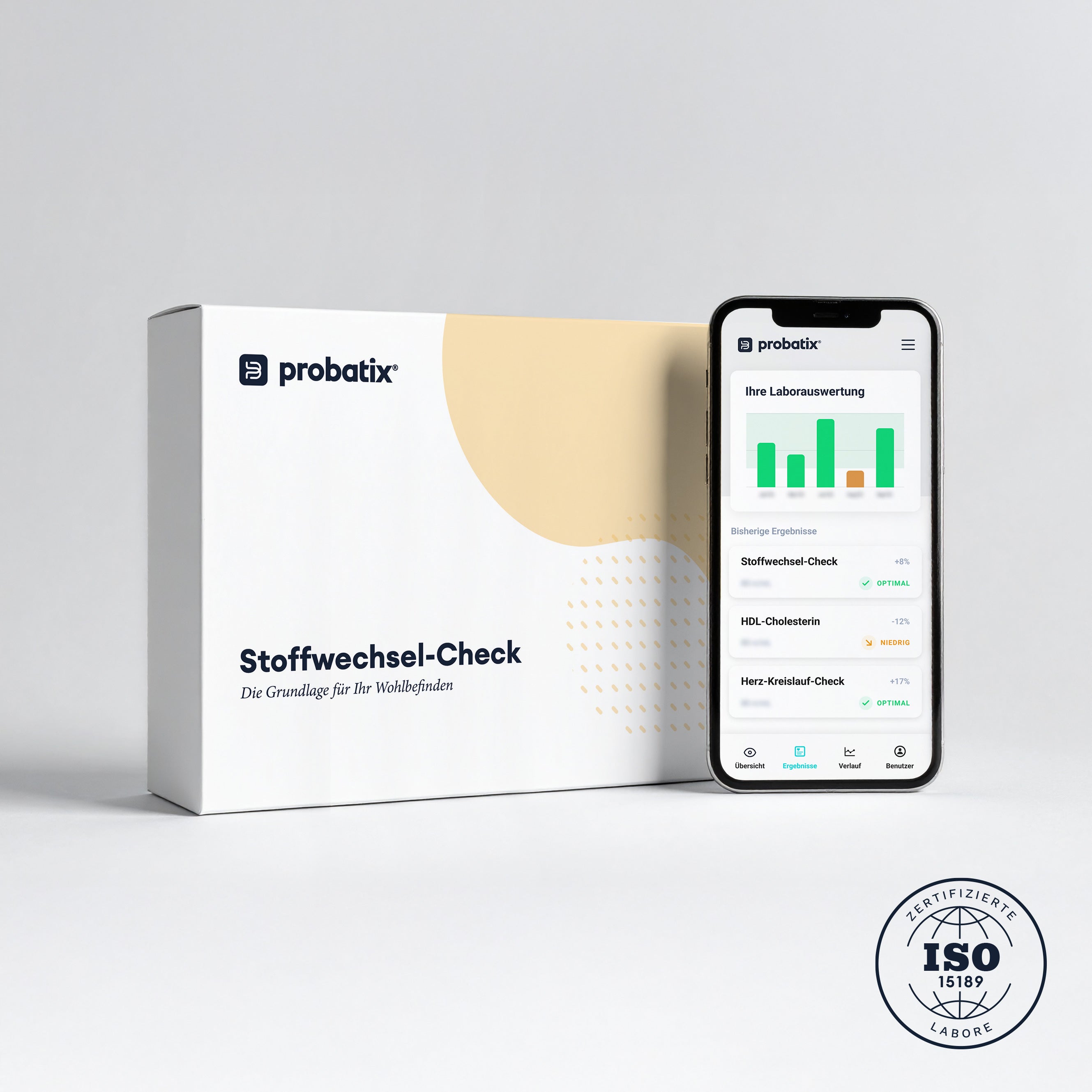
With the Metabolism Profile , you receive a comprehensive analysis of the key values directly related to your metabolism. This allows you to identify potential risks early and take targeted countermeasures.
The Metabolism Profile covers the following areas:
- Blood Sugar & Diabetes Risk: HbA1c shows your blood sugar control over the last 2–3 months.
- Lipid Metabolism & Heart Health: Total cholesterol, LDL, HDL, and triglycerides provide insight into your risk for arteriosclerosis and cardiovascular diseases.
- Liver and kidney function: GPT (ALT, ALAT) and Cystatin C indicate whether detoxification and excretion are in balance.
- Mineral balance: Calcium is important for bone strength, muscle function, and energy metabolism.
- Nutrient status: Vitamin B12 is crucial for blood formation, nerve function, and energy.
How does the test work?
The procedure is simple: With the test kit, you take a small blood sample at home and send it to our certified specialist laboratory. After a few days, you will receive a detailed report with clear explanations of your metabolic values.
What do the measured values mean?
What do the measured values mean?
HbA1c is a long-term blood sugar value that indicates the average blood sugar level over the past two to three months. It is formed when sugar attaches to the red blood pigment hemoglobin. Since red blood cells live for about three months, the HbA1c value provides a good overview of long-term blood sugar control.
A high HbA1c value indicates poorly controlled or previously undetected diabetes. Normal values indicate stable and good blood sugar control.
Cholesterol
Cholesterol is a fat-like substance that the body needs for many important functions. It is a building block of cell membranes, a precursor for hormones such as estrogen and testosterone, and for the production of bile acids. Some is absorbed through food, but the majority is produced in the liver.
Too high cholesterol levels can lead to deposits in the vessel walls and increase the risk of cardiovascular diseases. However, a balanced level is important, as cholesterol is also indispensable for health.
HDL cholesterol
HDL cholesterol is often referred to as "good cholesterol" because it transports excess cholesterol from the vessels to the liver. There, it is broken down or recycled, reducing deposits in the arteries. Thus, HDL helps to keep the vessels healthy and free from calcifications.
High HDL levels are considered beneficial as they are associated with a lower risk of cardiovascular diseases. Low levels, on the other hand, increase the risk of arteriosclerosis and heart attack.
LDL cholesterol
LDL cholesterol is referred to as "bad cholesterol" because it transports cholesterol from the liver to the body's cells. Excess LDL can deposit in the vessel walls and form so-called plaques. These deposits narrow the vessels and increase the risk of cardiovascular diseases.
High LDL levels are an important risk factor for arteriosclerosis, heart attack, and stroke. Low levels, on the other hand, are considered beneficial for vascular health.
Triglyceride
Triglycerides are the main form of fats in the body and are primarily stored in fat cells. They are formed when excess energy from food is converted into fat. Some triglycerides circulate in the blood and serve as an energy source.
Elevated triglyceride levels can increase the risk of cardiovascular diseases, especially when LDL is high and HDL is low at the same time. Very high levels can also trigger inflammation of the pancreas.
Cystatin C
Cystatin C is a protein that is produced in all body cells and filtered from the blood by the kidneys. Since the production of Cystatin C in the body is relatively constant, the value is well-suited for assessing kidney function.
In contrast to creatinine, Cystatin C increases early when kidney performance declines. Therefore, it is considered a sensitive marker for detecting early kidney weakness in a timely manner.
GPT (ALT, ALAT)
GPT, also called ALT, is an enzyme that occurs almost exclusively in the liver. When liver cells are damaged, it enters the blood and the level rises.
An elevated GPT level is therefore a sensitive indicator of liver diseases such as hepatitis or fatty liver. Normal values indicate a healthy liver.
Vitamin B12
Vitamin B12 is an essential vitamin needed for the formation of red blood cells, the function of the nervous system, and the production of DNA. It is found almost exclusively in animal foods such as meat, fish, eggs, and dairy products.
A deficiency in Vitamin B12 can lead to anemia, fatigue, concentration problems, and nerve damage. Those at increased risk for a deficiency include older adults, vegetarians, vegans, or individuals with absorption disorders in the intestine.
Why is this test important?
Why is this test important?
When should I take this test?
When should I take this test?
- In case of unexplained fatigue, exhaustion, or lack of motivation.
- If you suffer from overweight or unintended weight loss.
- With a family history of diabetes or lipid metabolism disorders.
- If you suspect elevated cholesterol levels or blood sugar problems.
- For regular monitoring of vitamin and mineral supply.
The Metabolism Profile helps you to specifically optimize your metabolism and reduce health risks at an early stage. An additional vitamin and mineral test can also provide clarity.
Where can I find the instructions?
Where can I find the instructions?
Bei Fragen hilft Ihnen auch immer gerne unser wunderbarer Support weiter: support@probatix.de
FAQ - More Frequently Asked Questions about the Test
FAQ - More Frequently Asked Questions about the Test
What is examined in the Metabolism Profile?
The Metabolism Profile analyzes key markers: Total cholesterol, HDL and LDL cholesterol, triglycerides, HbA1c, calcium, vitamin B12, GPT (ALT, ALAT) and Cystatin C. These values provide a comprehensive picture of your metabolism.
Who is this test suitable for?
The test is ideal for anyone who wants to check their metabolism, blood sugar, and cholesterol – especially if there is a suspicion of nutrient deficiency, diabetes, cardiovascular risks, or as part of a preventive examination.
How does the sampling work?
The sampling is simple and painless via capillary blood from the fingertip. You will receive a test kit with clear instructions for easy home use.
How long does it take to receive my results?
After submitting the sample, you will typically receive your lab results digitally within 3–5 business days.
Why is the HbA1c value important?
HbA1c indicates the average blood sugar level over the past 2–3 months and helps in early detection of diabetes or monitoring blood sugar control.
What does the lipid profile say about my health?
LDL cholesterol (“bad” cholesterol) can promote vascular deposits, while HDL cholesterol (“good” cholesterol) helps transport excess cholesterol away. Together with triglycerides, the lipid profile is crucial for cardiovascular health.
What role do Vitamin B12 and Calcium play?
Vitamin B12 is essential for energy metabolism, nerve function, and blood formation. Calcium is crucial for bone stability, muscle strength, and signal transmission in the nervous system.
What happens if my values are outside the reference range?
If abnormalities are detected, you should discuss the results with a doctor. They can recommend further examinations or targeted measures.

Can I have a blood test without a general practitioner?
Yes, certain laboratory tests can now be conducted without a direct appointment with your general practitioner through validated home tests. You take a small blood sample at home and have it analyzed in a medical laboratory. This way, you can keep an eye on important health values.

How reliable are at-home blood tests?
The crucial factor is that the analysis is conducted in a quality-assured laboratory using standardized methods. Then, blood tests with capillary blood are generally just as reliable as a blood draw in the practice. With clear instructions and certified partner laboratories, Probatix ensures that you can rely on your results.

Why should I take a test with Probatix instead of at the doctor's?
At Probatix, you can start blood tests flexibly at home - without waiting rooms, with clear step-by-step instructions and analysis in certified specialist laboratories. The results are prepared digitally, comprehensibly, and trackably, so you can easily monitor developments over time. This way, you can complement traditional medical care with comfortable, data-supported monitoring of your health with Probatix.